













SC/ST quota benefits stay despite caste removal: Gujarat HC
text_fields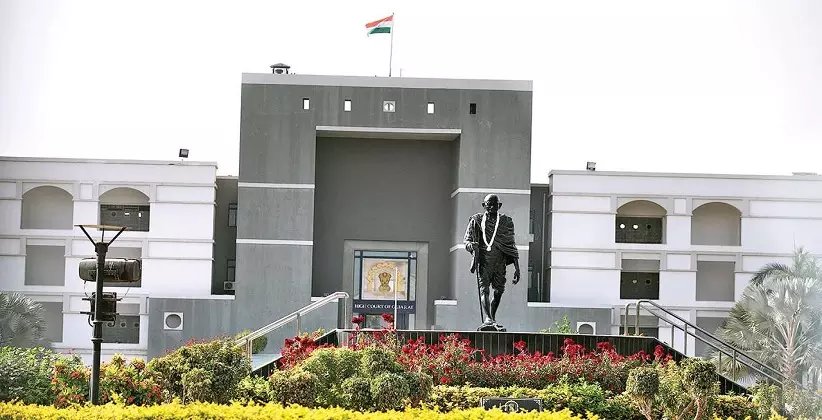

Ahmedabad: The Gujarat High Court has ruled that members of a community cannot be stripped of reservation benefits they had already secured merely because their caste was subsequently removed, wholly or partly, from the Scheduled Castes or Scheduled Tribes list.
A division bench comprising Justices NS Sanjay Gowda and JL Odedra, in its July 17 judgment, observed that while Parliament has the constitutional authority under Article 341 to add, alter or remove a caste from the Scheduled Castes list, such changes operate only prospectively. They cannot be used to take away rights that had already accrued to individuals before the change came into effect.
“The exclusion of a caste from the list of Scheduled Castes can only be prospective and the benefits that had accrued on a person who had been born into the caste when it was included in the list of Scheduled Castes would continue to adhere to him during his life time,” the court held.
The bench further observed that caste is “thrust upon a person” by birth and remains with them throughout their lifetime. Therefore, anyone born into a caste that was recognised as a Scheduled Caste at the time of their birth would continue to be treated as belonging to the Scheduled Caste category until death, it said.
However, the court clarified that individuals born into the community after its removal from the Scheduled Castes list would not qualify for reservation benefits, even if the community had enjoyed Scheduled Caste status in the past.
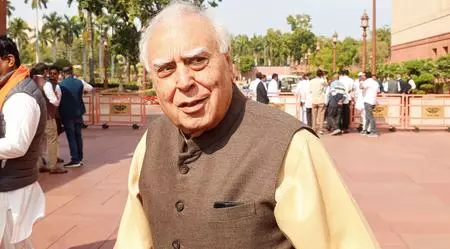
The judgment came in a petition filed by the Employees’ Provident Fund Organisation (EPFO) challenging a Central Administrative Tribunal order that restored the promotion of its employee, Ranjit Vasantlal Makwana.
Makwana, a member of the Mochi community, was appointed as a lower division clerk in the organisation in 1995 under the Scheduled Caste quota. At the time, the Mochi community across Gujarat was recognised as a Scheduled Caste under the Constitution Scheduled Castes and Scheduled Tribes Orders Amendment Act, 1976.
Parliament amended the Scheduled Castes list in 2002, following which the Scheduled Caste status of the Mochi community was confined to people belonging to Dang district and Umbergaon taluka in Valsad district.
Makwana was promoted to the position of enforcement officer/accounts officer in 2003. However, nearly nine years later, in 2012, the organisation reverted him to his previous post, contending that he was no longer eligible for reservation benefits following the 2002 amendment.
Challenging the decision, Makwana approached the Central Administrative Tribunal, which ruled in his favour and restored his promotion. The tribunal held that the vacancy against which he had received the promotion had arisen before the 2002 amendment to the Scheduled Castes list.
The EPFO subsequently approached the Gujarat High Court, challenging the tribunal's decision.