











SC directs urgent action to control train crowding, criticises “Second Class Passenger” label
text_fields

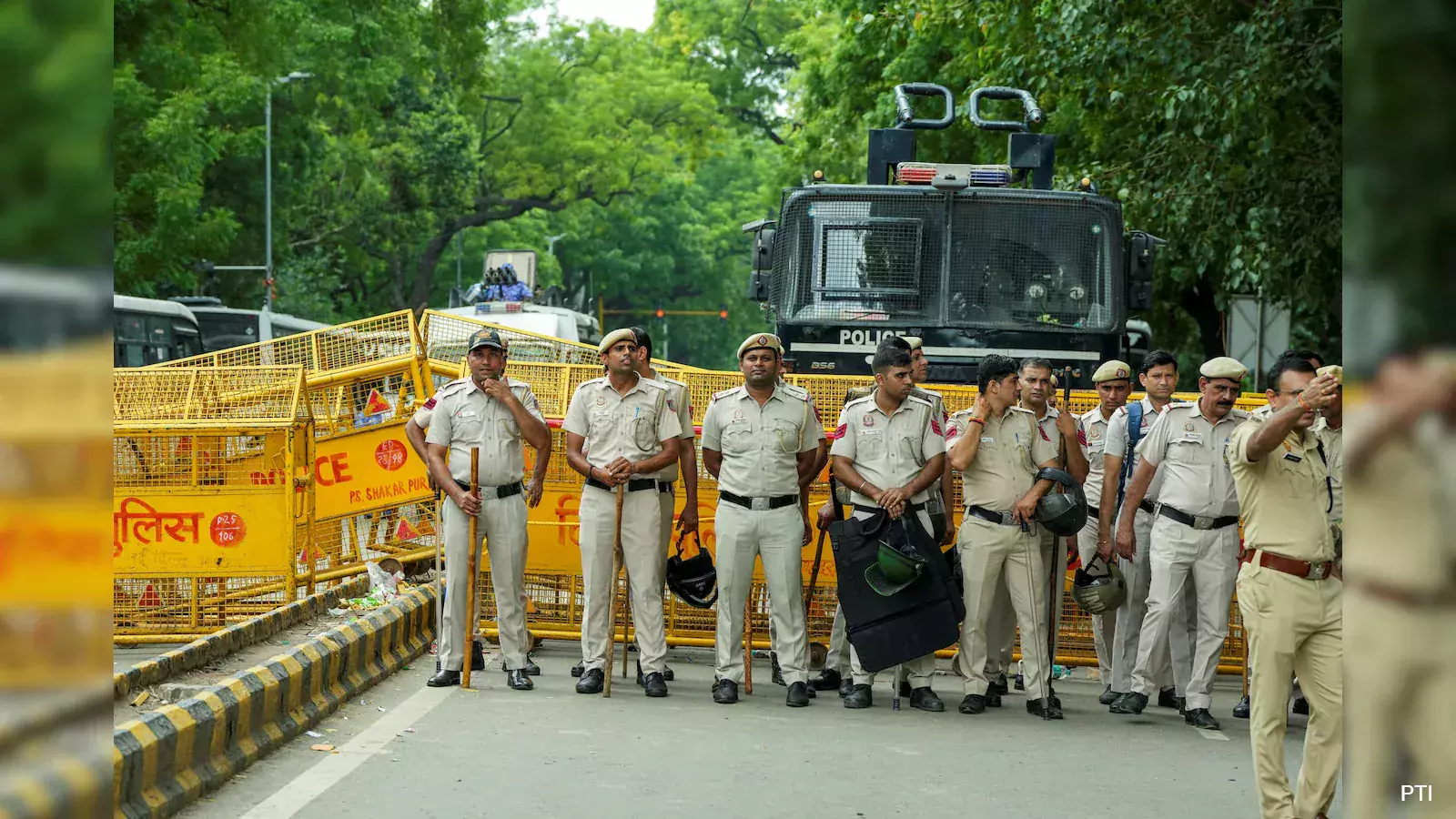
New Delhi: The Supreme Court on Saturday urged Indian Railways to take urgent and effective steps to control overcrowding on trains, warning that packed coaches often lead to tragic accidents in which people fall from moving trains and lose their lives.
A bench comprising Justices Sanjay Karol and N Kotiswar Singh made the observations while allowing an appeal filed by the wife of a man who died after falling from a running train in 2015. The court noted that absence of the victim’s ticket at the time of the accident did not justify denying lawful compensation to his dependents and awarded the family Rs 8 lakh in damages.
The court said deaths caused by passengers falling from trains due to overcrowding are not rare in India. While the overall percentage of such accidents may seem small relative to the size of the railways, each incident is a life-shattering tragedy for the victims’ families. The bench pointed to several recent incidents, including four deaths on Mumbai local trains in June 2025 linked to overcrowding and severe congestion at New Delhi railway station during Maha Kumbh Mela.
On examining the Indian Railways’ commercial manuals, the court found that station masters, guards and ticket inspectors are given clear guidelines to manage crowding, ensure correct distribution of passengers in coaches and deploy additional coaches when occupancy rises. “Precautions are expressly written in the rules, but there is a major lapse in implementation,” the bench said.
The court observed that more staff are needed to properly implement these safety measures. It also suggested that, given the current phase of railway modernization, Indian Railways should create employment opportunities for more youth — a move that would both provide stable livelihoods and help protect citizens’ lives. At the same time, the judges reminded that passengers also bear equal responsibility for their own safety, and it is not fair to place all blame on the railways.
The bench strongly criticised the use of the term “Second Class Passenger” in railway manuals. While the phrase might be defended as relating to fare categories, the court said that, considering India’s history of caste and social stratification, labeling people in this manner is unacceptable to the spirit of the Constitution.
The Supreme Court accepted the wife’s testimony that her husband had been travelling lawfully and had lost his ticket during the incident. It set aside previous orders of the Railway Claims Tribunal and the Madhya Pradesh High Court and directed payment of Rs 8 lakh in compensation within four weeks. The court added that failure to pay on time would attract interest at 8 percent.