











When democracy is dragged onto the streets, PM Modi calls India the ‘mother of democracy’
text_fields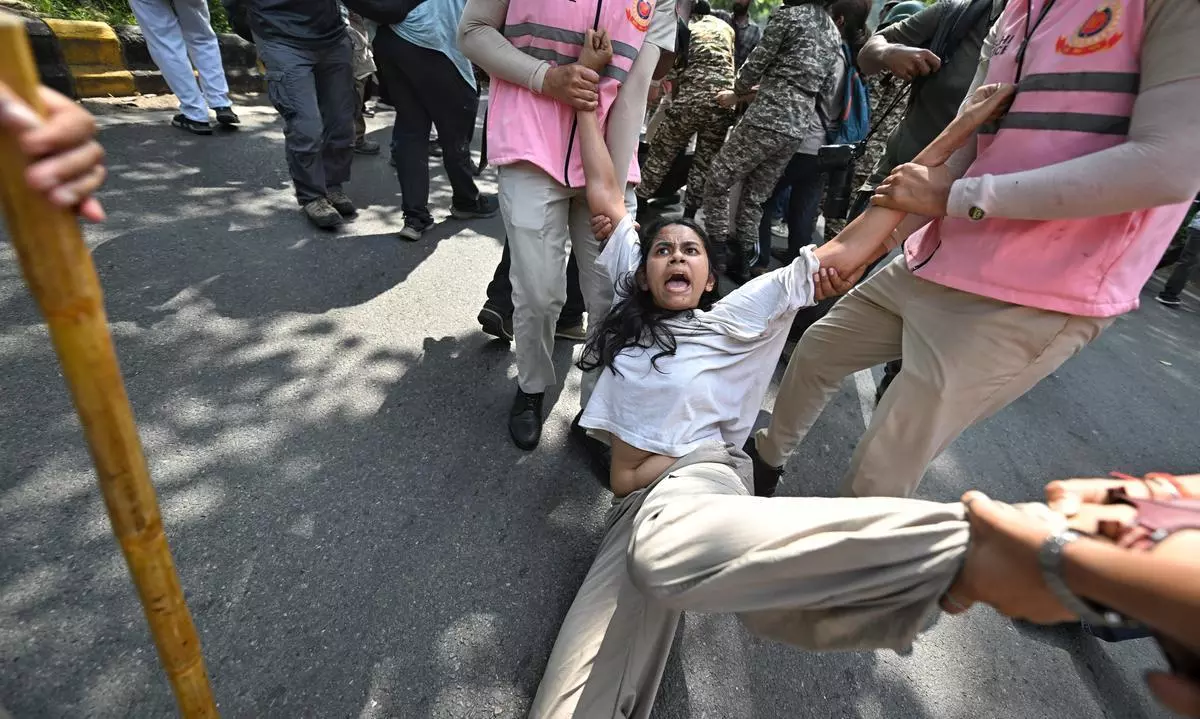

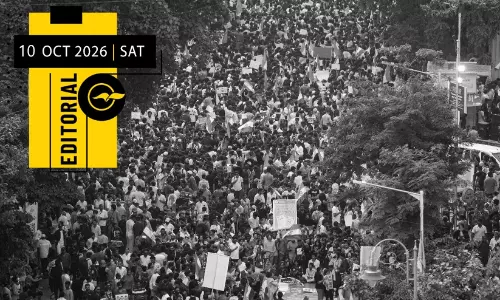
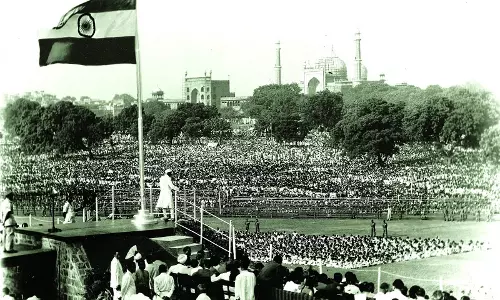
Amid the protests over allegations of purported compromises being made to democracy by Chief Election Commissioner Gyanesh Kumar, and protesters being dragged through the streets and beaten, irrespective of whether they are students, elders, girls or women, Prime Minister Narendra Modi’s comment that India is the “mother of democracy” has caused frowns among many.
Modi made the remarks on Monday, 13 October, during his address to the Bloomberg New Economy Forum in New Delhi, marking his first public appearance since security forces detained protesters and attempted to prevent demonstrations against him and Chief Election Commissioner Gyanesh Kumar.
Since 10 October, Delhi Police and security personnel have reportedly denied permission for protests, closed Metro stations, detained youth and student leaders, disrupted railway services and erected multiple layers of barricades, and, despite directions from the Supreme Court, lawyers and journalists were also reportedly rounded up.
Against this backdrop, Modi’s statement on the responsible exercise of power — “The real question is not who possesses power. Rather, the question is how that power is being used” — was seen by many as incongruous, as the CEC, who was a target of the protests, is accused of disenfranchising approximately 13 crore voters through the SIR, a process that has, in effect, deprived many voters of access to welfare benefits, particularly in West Bengal.
Modi also highlighted India’s digital reach, citing more than 100 languages, nearly 80,000 registered newspapers and publications, over 1,000 satellite television channels, and more than 500 million users each on YouTube and Instagram. He attributed public debate and the exchange of diverse viewpoints partly to the country’s digital infrastructure.
However, protesters’ mobilisation through social media contrasted with reports of internet shutdowns across central Delhi and in temporary detention facilities in the New Delhi district.
The Prime Minister also invited international delegates to experience India’s digital payments ecosystem, highlighting its use by street vendors and large car showrooms alike. Yet proposed changes to the Unified Payments Interface (UPI), scheduled to take effect on 15 October, have raised concerns among experts that merchant charges could increase prices, reduce small businesses’ earnings and weaken household demand.