Maharashtra declares drought in 74% of state amid monsoon deficit
text_fields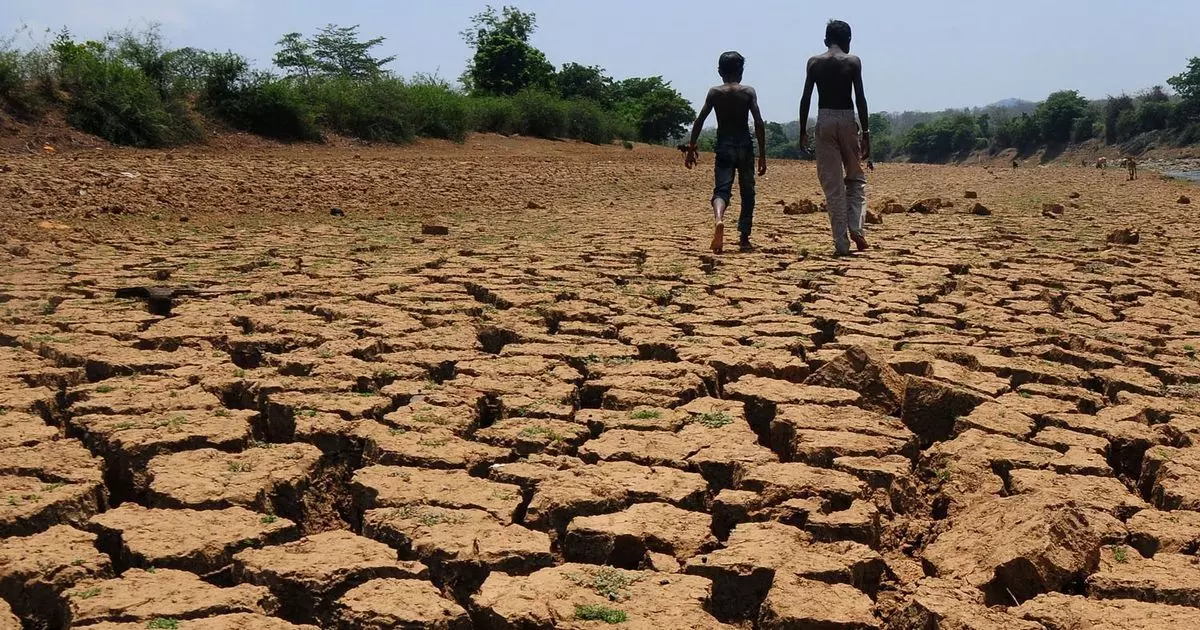

Mumbai: The Maharashtra government on Saturday declared drought conditions in 74 per cent of the state’s talukas amid a rainfall deficit during the southwest monsoon season.
The government order covers 265 of Maharashtra’s 358 talukas, where the “trigger-1” criterion has been met. Under the 2026 Drought Management Code, trigger-1 is defined as a dry spell lasting at least 21 consecutive days during the monsoon.
The declaration will facilitate assessment of crop damage and enable 12 relief measures, including a waiver of land revenue, restructuring of crop loans, a stay on recovery of farm loans, concessions on electricity bills for agricultural pumps and the deployment of tankers to supply drinking water.
The affected talukas are spread across 32 of Maharashtra’s 34 districts, including Ahilyanagar, Amravati, Beed, Bhandara, Gadchiroli, Jalgaon, Latur, Nagpur, Nanded, Nandurbar, Parbhani, Pune, Ratnagiri, Sangli, Sindhudurg, Solapur, Wardha and Yavatmal.
The southwest monsoon is expected to begin withdrawing from Maharashtra by October 5, with the state recording a 17 per cent rainfall deficit, The Indian Express reported. The national average rainfall deficit stands at 15 per cent.

Between June 1 and September 22, Maharashtra received an average 787.2 mm of rainfall against the normal 953.2 mm for the period.
Solapur recorded a rainfall deficit of 57 per cent, while the shortfall was 42 per cent in Ahilyanagar, 34 per cent in Nandurbar and 24 per cent in Sangli, according to the report.
The India Meteorological Department has said strong El Niño conditions are prevailing over the equatorial Pacific, with sea surface temperatures remaining above normal in the central and eastern equatorial Pacific.
El Niño is a weather phenomenon associated with the warming of ocean surface temperatures in the eastern and central Pacific. It occurs periodically and has been linked to reduced monsoon rainfall in India.
The weather department had said on August 31 that the El Niño conditions were expected to strengthen further in the coming months.