

















Madhya Pradesh HC halts demolition of 38 houses linked to cattle slaughter case
text_fields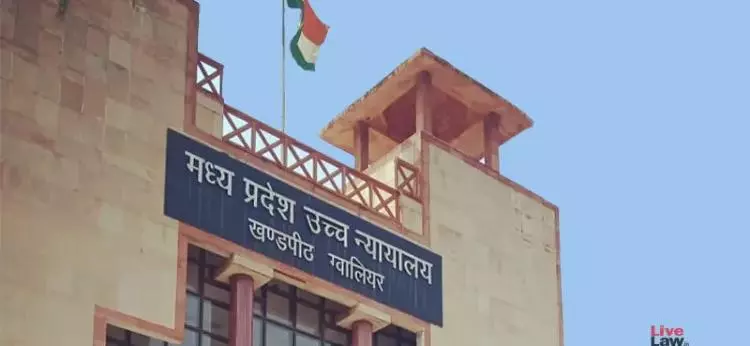
Photo: Maktoob Media

The Madhya Pradesh High Court has temporarily stopped the proposed demolition of 38 houses in Badhiyatula village of Khandwa district, providing relief to residents who challenged the action through petitions filed by the Association for Protection of Civil Rights (APCR).
The matter is connected to a police investigation into an alleged cattle slaughter case in Etwa tehsil, where nine people were booked, including the alleged main accused under the National Security Act (NSA), Maktoob Media reported.
The demolition notices were issued after protests by Hindutva groups, who blocked the Mundi Highway on June 20 demanding action against those accused in the case. Following the protests, the district administration reportedly demolished some structures and issued notices to several other families.
APCR approached the High Court on behalf of affected residents, leading the court to earlier stay the demolition of four houses in the first set of petitions. After authorities issued fresh notices to 47 more families, APCR filed another petition representing 34 additional families, resulting in interim protection being extended to a total of 38 houses.
In an order dated June 28, Justice Maninder S. Bhatti directed that the demolition notice issued on June 25 would remain suspended until the next hearing. The court also ordered that no coercive action should be taken against the petitioners based on the challenged notice.
The petitions were presented on behalf of APCR by Senior Advocate Kabir Pal, Advocate Aryan Urmalia, and their legal team. The matter has been scheduled for further hearing after three weeks.
APCR welcomed the court’s interim order, stating that while criminal investigations must continue according to legal procedures, demolishing homes without following due process violates constitutional protections and the principles of the rule of law.
The organisation said that demolition cannot replace judicial proceedings or be used as a form of collective punishment, and reaffirmed its commitment to providing legal support to affected residents and protecting constitutional rights through lawful remedies.