











Jaishankar warns of major food crisis as wars, El Niño hit grain and fertiliser supplies
text_fields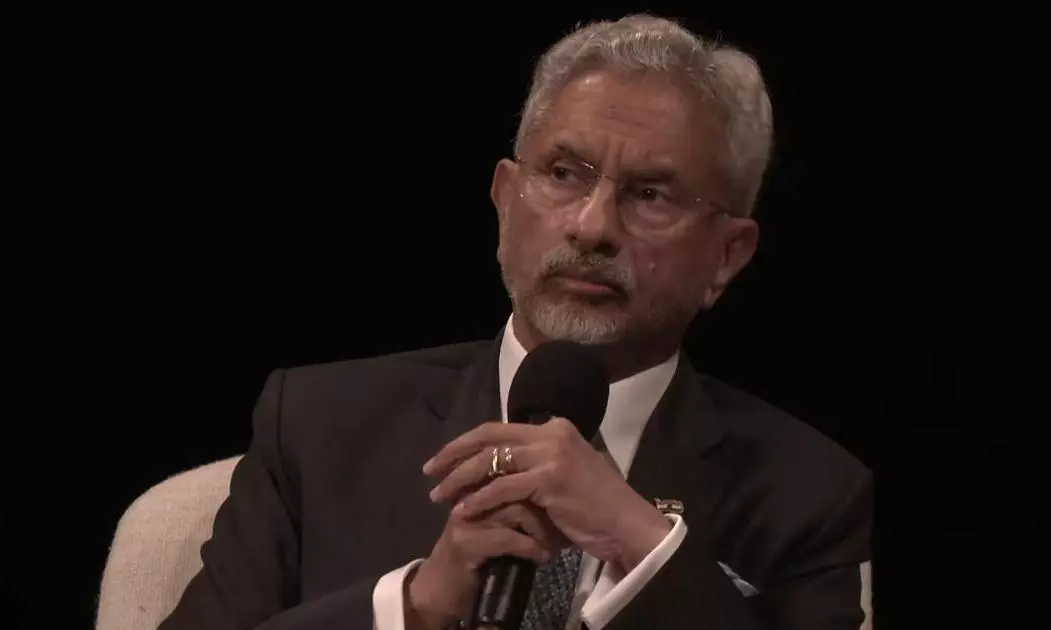

New Delhi: External Affairs Minister S Jaishankar has cautioned that a major food crisis could emerge in the coming months as conflicts in Ukraine and West Asia, combined with a strong El Niño, disrupt grain shipments and fertiliser supplies, hitting the Global South particularly hard.
Speaking at an event hosted by the Asia Society in New York on Monday, Jaishankar said the wars have triggered fertiliser shortages and interruptions in grain exports, while the super El Niño, a periodic warming of ocean surface temperatures in the eastern and central Pacific linked to crop damage, fires and floods, has added to the strain.
Against this backdrop, the Union government on Tuesday lowered its foodgrain production target for 2026–27 to 373.9 million tonnes, 2.6 million tonnes below the estimated output for 2025–26, citing the impact of El Niño, Union Agriculture Minister Shivraj Singh Chouhan said.
India’s fertiliser sector is under pressure due to disruptions in energy supplies from West Asia. The industry relies heavily on imported liquefied natural gas from the region as feedstock for domestic fertiliser production, and also imports finished products such as urea and diammonium phosphate from Oman, Saudi Arabia and the United Arab Emirates. With the Strait of Hormuz largely closed since the outbreak of war in February, shipments of these inputs and products have fallen sharply.
Russia, whose oil refineries have been hit by Ukrainian drone and missile strikes, accounts for roughly 18–20 per cent of the global fertiliser market, further tightening availability. Jaishankar said the combined squeeze on energy, food and fertilisers, along with capital flight to safe-haven assets during conflicts, has been “really very, very stressful” for developing economies.
The minister urged countries not to be “so self-centred that they are in their own world” while dealing with these overlapping shocks. Meanwhile, the Congress on Tuesday blamed the Narendra Modi government for not acting in time, alleging that the looming crisis reflects delayed policy responses.