

















‘India doesn't value workers’ labour, pay enough’: Delhi High Court
text_fields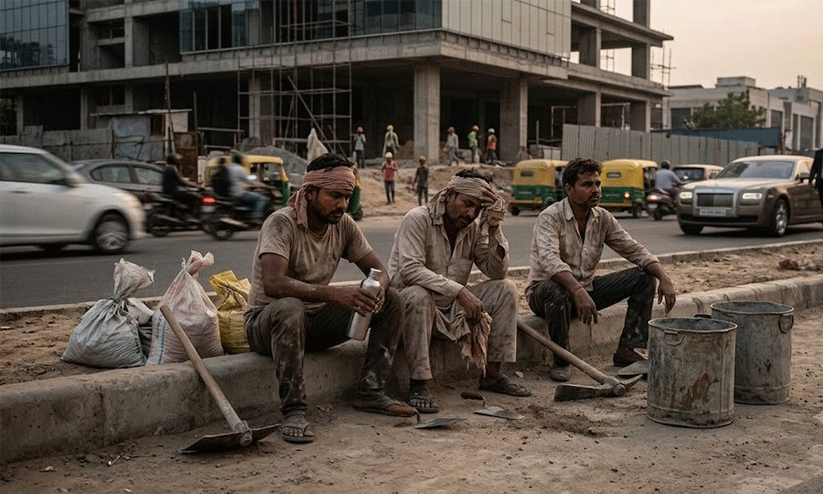
Representational.

New Delhi: The Delhi High Court has expressed concern over the poor wages and lack of recognition faced by workers in India, observing that their physical labour is not adequately valued by society.
Justice Vimal Kumar Yadav made the observations while hearing an appeal filed by a man convicted in a case involving an attack on a worker who was trying to sleep. The court stressed the importance of workers being able to rest peacefully after spending their days doing physically demanding jobs, while highlighting the hardships and neglect they continue to face.
The case dates back to March 17, 2002, when Rajinder Kumar was sleeping on the verandah of a shop at Lajpat Rai Market in Chandni Chowk. He objected after Veer Pal and others began creating a disturbance nearby and asked them to stop.
According to the case records, Veer Pal reacted by pushing Kumar down and attacking him with a sharp-edged object. A trial court subsequently convicted Pal for attempted murder and sentenced him to five years in prison.
The High Court, however, found that the evidence did not establish the intention or premeditation required to sustain an attempt-to-murder conviction. It instead altered the conviction to causing hurt with a dangerous weapon and reduced the prison term from five years to three years.
While modifying the sentence, the court also noted that nearly 24 years had passed since the incident and that there was no record of the convict being involved in any other offences thereafter.
The court's observations also underscored the need for greater recognition of workers' contributions, lives and rights, particularly those engaged in demanding physical labour.