










Father was killed because son questioned the state of his school
text_fields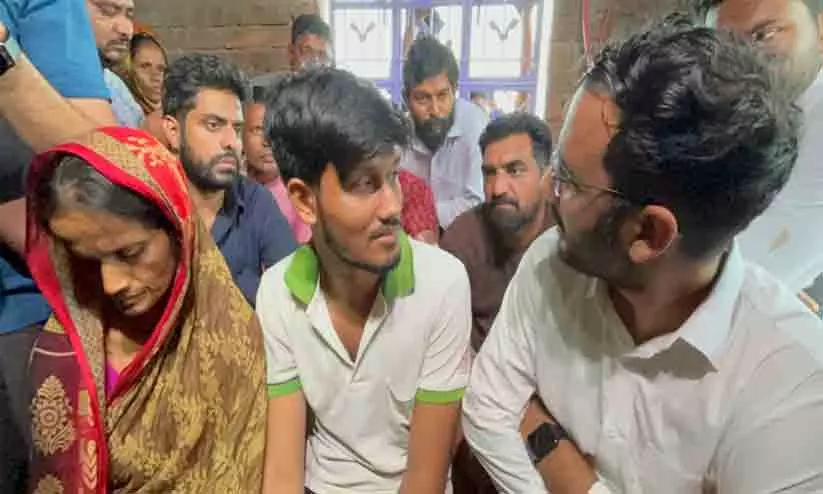

Bankura: What began as a young man’s attempt to question the condition of a government school in West Bengal’s Bankura district ended with the death of his father, turning a local education campaign into a deeply troubling account of violence and loss.
Abdul Hafiz, 25, had returned to his native Karisunda village after participating in student and youth protests at Delhi’s Jantar Mantar. On August 13, as part of the Cockroach Janata Party’s (CJP) ‘School Theek Karo’ campaign, he visited the government primary school where he had studied as a child. He examined basic facilities, including drinking water and toilets, and questioned how public money was being spent.
That evening, an armed group allegedly entered Hafiz’s home and attacked him. His father, Sheikh Mohammad Mafik, reportedly shielded his son from the assault and suffered severe injuries. He died in the hospital on August 15, India’s Independence Day. Police have arrested eight people, including a local BJP leader, in connection with the incident.
Despite the tragedy, Hafiz has rejected personal retaliation and instead continued to demand accountability and better public education. He and his family also declined financial compensation offered by the state government, arguing that money could not restore his father’s life.
Hafiz has instead proposed using the tragedy to create something lasting: a free, high-quality government school in his father’s memory, equipped with modern laboratories and technology so that children from ordinary families can receive better educational opportunities.
He says his grandmother’s determination after the attack strengthened his resolve to continue the campaign. For Hafiz, the central issue is no longer merely the condition of one school, but whether citizens can safely question the functioning of public institutions and demand equal opportunities for their children.
Based on The Wire interview with Abdul Hafiz