















Chhattisgarh HC gives state 3 weeks to respond to anti-conversion law plea
text_fields

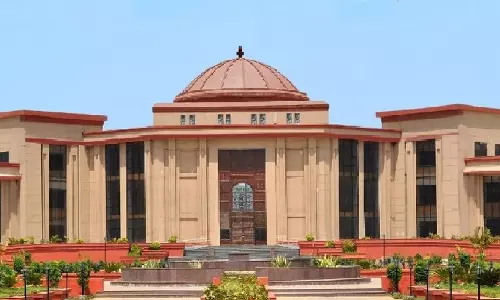
Raipur: The Chhattisgarh High Court has sought the state government’s response to a petition challenging the constitutional validity of the Chhattisgarh Freedom of Religion Act, 2026, and the rules framed under it.
A Division Bench comprising Chief Justice Krushna Ram Mohapatra and Justice Santosh Sharma gave the government three weeks to respond to the petition as well as the request for interim relief.
Senior advocates Dr S Muralidhar and Manoj Paranjpe, appearing for the petitioners through video conference, argued that decisions about an individual’s faith should not be subject to government approval or public disclosure. They contended that the law imposes extensive procedures even for voluntary religious conversions, including notifications, objections and official verification.
The petition challenges provisions requiring priests, pastors and others involved in conversions to register with the state. It also contests penalties for unlawful conversion, which include imprisonment of at least seven years, extendable to life, and fines of up to Rs 10 lakh.
The petitioners have sought a stay on provisions requiring public notice and inviting objections to proposed conversions. They have also challenged requirements involving financial, digital and personal information, mandatory appearances and declarations, and scrutiny of religious choices by Gram Sabhas in Scheduled Areas.

The plea further seeks protection for places of worship from closure or disruption based solely on allegations of unlawful conversion. It asks the court to restrain authorities from taking coercive action against religious workers or worshippers merely for their religious activities.
The petitioners have also urged that FIRs be registered only where there is prima facie material indicating a specific offence, and that authorities should not conduct general surveillance or profiling of religious institutions or personnel without a specific criminal investigation.
The Act was passed by the Chhattisgarh Assembly in March and received the Governor’s assent in April. It establishes disclosure and verification procedures for conversions, provides for registration of persons facilitating them and prescribes penalties for unlawful conversions.
Advocate Harshmander Rastogi, who filed the petition, said the court had asked the state to respond to the interim relief plea within three weeks.