














Channels directed to expunge usage of ‘love jihad’ over lesson in NCERT book
text_fields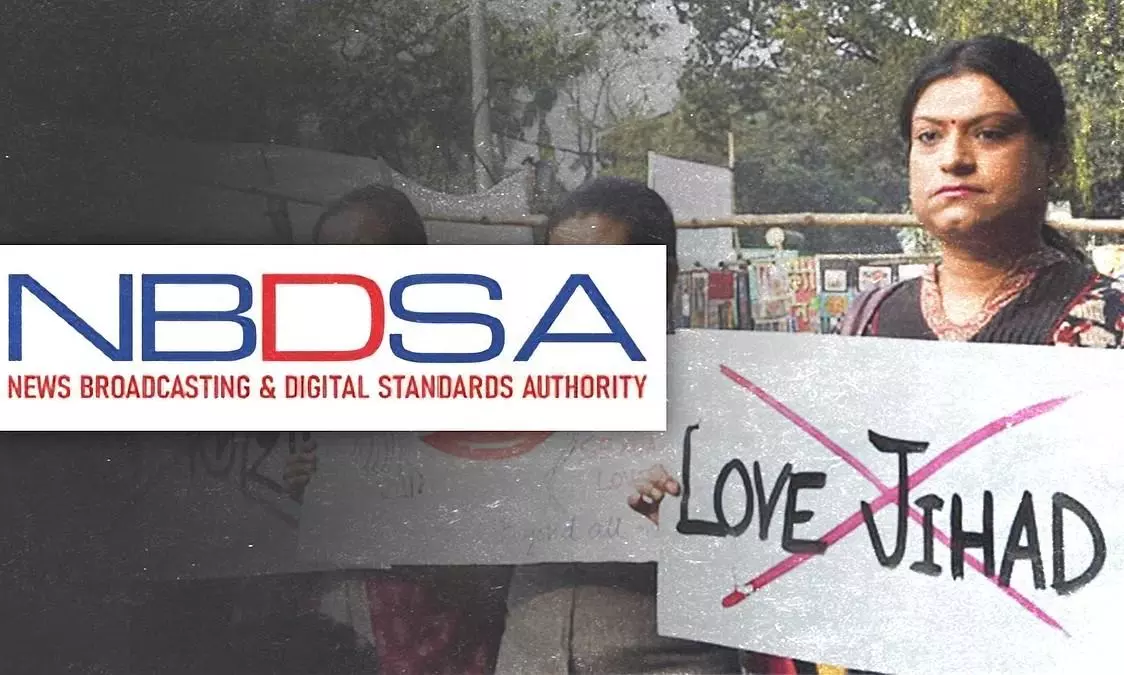

Four news channels – India TV, News18 MP/Chhattisgarh, Zee MP/Chhattisgarh, Zee News and ABP News – ran programmes using the made-up term “love jihad” over a lesson in the NCERT Class 3 Environmental Studies chapter titled Chitti Aayi Hai, where a letter written by a girl to a boy was construed as evidence of a conspiracy.
They have been directed by the News Broadcasting and Digital Standards Authority (NBDSA) to take down eight such broadcasts, as the regulator found that the coverage lacked objectivity and misrepresented classroom material.
The dispute arose after a fictional letter, written by the character Reena to Ahmed in the Environmental Studies textbook, was projected by the channels as material suggestive of a Love Jihad conspiracy, and complainants Indrajeet Ghorpade and Utkarsh Mishra argued that the coverage relied on sensationalised interpretations rather than factual scrutiny, according to Scroll.in.
They maintained that the programmes amplified polarising claims and, in many instances, provided a platform to individuals known for pushing divisive narratives, while failing to examine whether the allegations themselves had any merit or educational relevance.
They highlighted that News18 MP/Chhattisgarh built its programme primarily around the comments of Dhirendra Shastri, the head priest of Bageshwar Dham, whose assertions on population growth and alleged threats to Hindu women shaped the entire segment, and they argued that the channel reinforced these claims through visuals and tickers without subjecting them to scrutiny.
They also contended that Zee News and Zee MP/Chhattisgarh suggested that the textbook chapter was suspicious even after interviewing teachers, while the reporter implied that the inclusion of a letter from “Reena to Ahmed” was itself questionable, thereby signalling opposition to the educational content.
According to the complainants, India TV aired extreme reactions, including visuals of a person blackening the textbook, and the channel did not question or contextualise such conduct, which they said contributed to amplifying hostility rather than informing viewers.
They argued that across all channels there was a marked absence of critical engagement, and they noted that none of the broadcasters attempted to seek clarification from NCERT, despite the debate being centred on its material.
The channels, however, defended themselves during the hearing by asserting that they were merely reporting statements made by parents, public figures and political actors, and they maintained that their programmes reflected the newsworthiness of the controversy rather than editorial endorsement.
After examining the broadcasts, the NBDSA concluded that the channels turned a single parental complaint into wider debates framed around a predetermined narrative, and it held that the absence of diverse viewpoints and contextual balance resulted in coverage that breached the Code of Conduct.