


















Bengaluru remains world's traffic nightmare, ranks second most congested city: TomTom Index
text_fields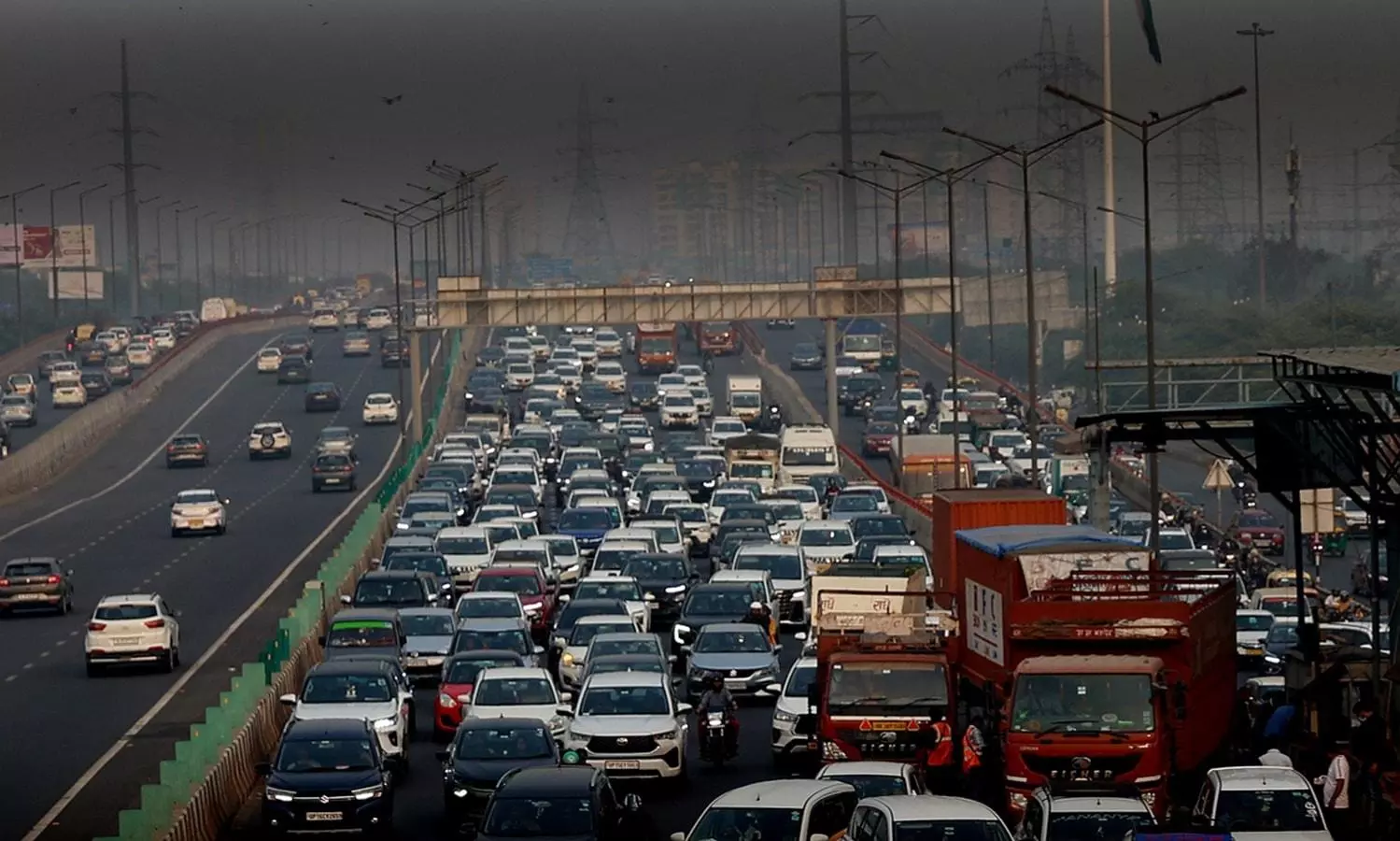

Bengaluru: The Silicon Valley of India has solidified its reputation as a commuter's nightmare, ranking as the world's second most congested city in 2025, according to the latest TomTom Traffic Index released on Wednesday.
The Netherlands-based location technology firm's annual report reveals that Bengaluru's traffic congestion level reached a record 74.4%, up from 72.7% in 2024. This places the city just behind Mexico City (75.9%) and ahead of all other global contenders.
The average time to travel 10 km in Bengaluru has worsened to 36 minutes and 9 seconds, an increase of nearly 2 minutes compared to last year. During peak hours, the situation becomes dire: morning speeds average 14.6 km/h while evening rush hour drops to 13.2 km/h. In 15 minutes of peak-hour travel, Bengaluru motorists can cover just 3.3-3.6 km, compared to a national average of 5.5 km.
Bengaluru leads Indian cities with 74% congestion, followed closely by Pune (71%), Mumbai (63%), New Delhi (60%), and Kolkata (59%). The national average vehicle speed across metros stands at 21.9 km/h, but Bengaluru lags at a sluggish 16.6 km/h.
Civic authorities have long blamed the city's traffic woes on stalled infrastructure projects, metro construction disrupting roads, inadequate road expansion despite a booming vehicle population, and incomplete flyovers. The TomTom report underscores the gap between free-flow conditions (2 minutes 4 seconds per km) and peak-hour reality (3 minutes 37 seconds per km), highlighting the acute impact of rush-hour bottlenecks.