











Being in a WhatsApp group is not a crime, argues Umar Khalid in bail plea
text_fields

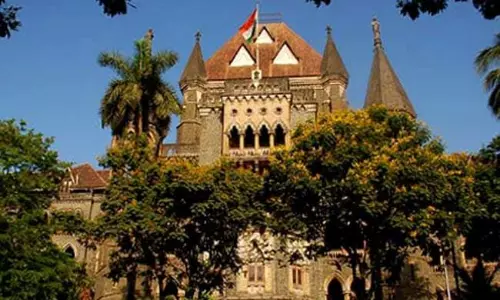
Activist Umar Khalid, who remains incarcerated in connection with the 2020 Delhi riots case, argued before the Delhi High Court on Thursday that his mere presence in a WhatsApp group cannot be deemed evidence of criminal activity, as reported by Bar and Bench.
Khalid’s legal counsel contended that being part of a group does not indicate wrongdoing, stressing that his involvement was limited to sharing the location of a protest site when someone inquired about it and that he had not made any incriminating statements within the group.
The argument was presented in response to the Delhi Police’s claim that Khalid’s participation in a WhatsApp group constituted evidence of a criminal conspiracy. The police had asserted in their chargesheet that Khalid had brought together individuals opposing the government, which resulted in the creation of the Delhi Protest Support Group on WhatsApp.
The police alleged that this group was formed after Khalid had mentored students from Jawaharlal Nehru University, in collaboration with activist Sharjeel Imam, with the intention of inciting violence.
Khalid’s counsel, Advocate Trideep Pais, pointed out that others such as former Delhi Congress councillor Ishrat Jahan and activist Devangana Kalita, who allegedly played more significant roles in the events under investigation, have been granted bail while Khalid remains in custody, according to The Indian Express.
Khalid, who was arrested in September 2020, has been accused of being part of a larger conspiracy behind the communal violence that erupted in North East Delhi in February 2020, which left 53 people dead, with the majority of the victims being Muslims.
The Delhi Police have charged Khalid and several other activists under the Unlawful Activities Prevention Act, the Indian Penal Code, the Prevention of Damage to Public Property Act, and the Arms Act. The authorities claim that the violence was orchestrated to tarnish the image of Prime Minister Narendra Modi’s government and that those involved in protests against the Citizenship Amendment Act had conspired to destabilise the administration under the guise of civil disobedience.
The 200-page chargesheet filed by the Delhi Police in November 2020 specifically alleges that Khalid played a remote role in controlling the riots and that he had attended a secret meeting where plans for the violence were discussed. The High Court has scheduled the next hearing in the matter for March 4.