











2020 Delhi riots case: Umar Khalid moves SC after HC denies bail
text_fields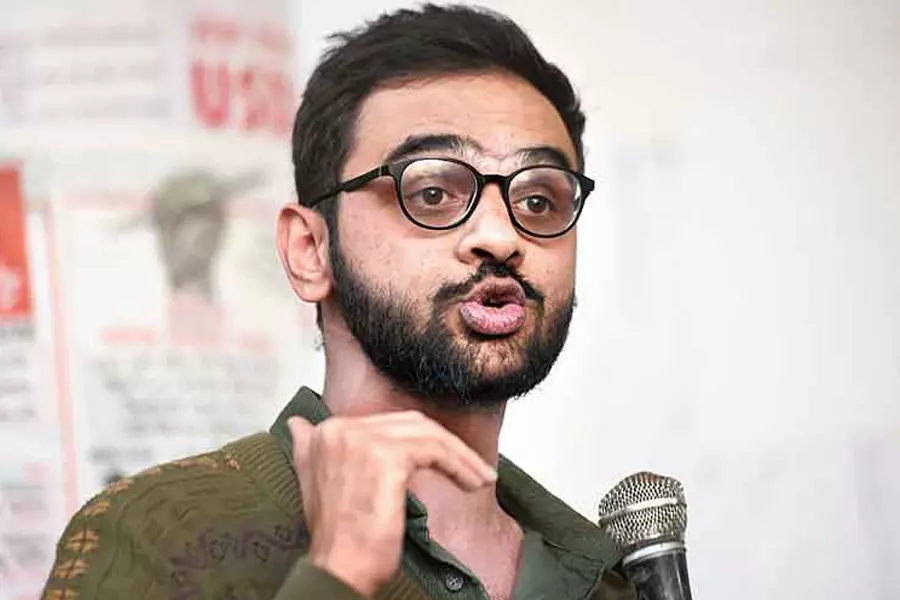

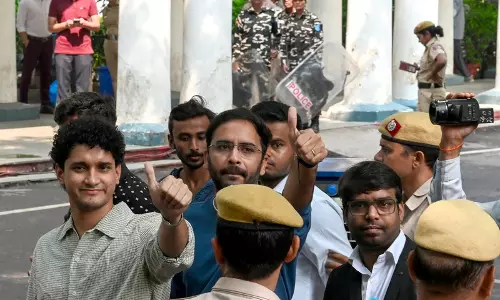
New Delhi: Activist Umar Khalid has moved the Supreme Court challenging the Delhi High Court’s order rejecting his bail plea in a case under the Unlawful Activities (Prevention) Act (UAPA) related to the alleged conspiracy behind the February 2020 riots in the national capital.
On September 2, the Delhi High Court denied bail to nine accused, including Khalid and Sharjeel Imam, stating that “conspiratorial” violence under the guise of demonstrations or protests by citizens could not be allowed. Others whose bail pleas were rejected include Mohd Saleem Khan, Shifa Ur Rehman, Athar Khan, Meeran Haider, Abdul Khalid Saifi, Gulfisha Fatima, and Shadab Ahmed. Separately, Tasleem Ahmed’s bail plea was also denied by a different high court bench on the same day.
Last week, Imam and Gulfisha Fatima had already approached the apex court challenging the high court’s order.
In its order, the high court emphasised that while the Constitution guarantees citizens the right to protest and conduct demonstrations or agitations, such actions must be orderly, peaceful, unarmed, and within the bounds of the law. It noted that the right to participate in peaceful protests and make speeches in public meetings, protected under Article 19(1)(a), is not absolute and is “subject to reasonable restrictions.” The court further observed, “If the exercise of an unfettered right to protest were permitted, it would damage the constitutional framework and impinge upon the law-and-order situation in the country.”
Khalid, Imam, and the other accused were booked under the UAPA and relevant provisions of the Indian Penal Code for allegedly being the “masterminds” of the February 2020 riots, which left 53 people dead and over 700 injured. The violence had erupted during protests against the Citizenship Amendment Act (CAA) and the National Register of Citizens (NRC).
All accused have denied the allegations against them and have been in custody since 2020. They had sought bail in the high court after a trial court had previously rejected their pleas.
With PTI inputs