













1935 order declaring Bhojshala a mosque invalid: Madhya Pradesh govt
text_fields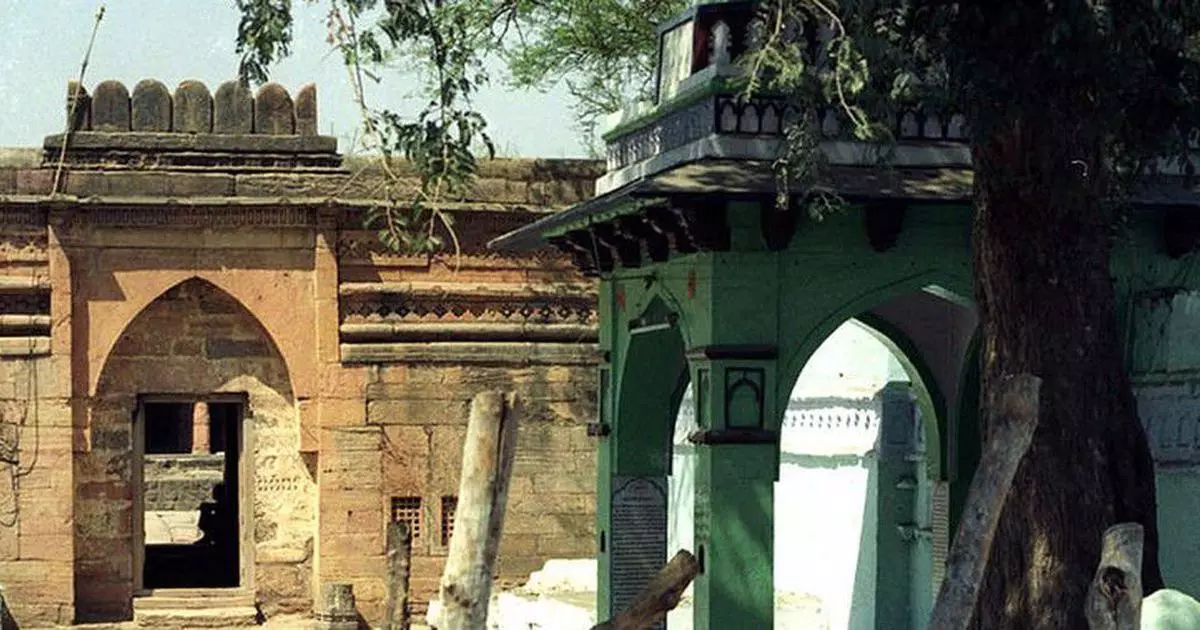

Indore: The Madhya Pradesh government on Thursday told the High Court that an 'ailaan' (government order) issued by the then Dhar princely state in 1935 regarding the religious nature of the Bhojshala Temple-Kamal Maula Mosque has no legal validity in the dispute related to the structure, PTI reported.
The Hindu community considers Bhojshala a temple dedicated to Goddess Saraswati, while the Muslim side calls the monument Kamal Maula Mosque. The disputed complex is protected by the Archaeological Survey of India (ASI).
The High Court has been regularly hearing five petitions and one writ appeal since April 6 regarding the religious nature of the Bhojshala Temple-Kamal Maula Masjid complex.
The Muslim side, citing a 91-year-old order of the erstwhile Dhar princely state, claimed Bhojshala was declared a mosque and prayers were allowed to continue inside.
MP Advocate General Prashant Singh, however, challenged the legal validity of the 'ailaan' issued on August 24, 1935, by then Diwan of Dhar princely state and President of the Council of Administration Nadkar.
He argued before Justices Vijay Kumar Shukla and Alok Awasthi of the Indore bench that this princely state order was not the result of a legislative process and, therefore, cannot be considered law.
The 'ailaan' of the former Dhar state violates the constitutional rights of a class and cannot be accepted, Singh added.
Emphasising the background of this order, the state advocate general presented a detailed account of the proceedings of the Dhar Darbar and stated that it was issued after a law and order situation arose in the city due to the controversy over the naming of the disputed monument.
Referring to the proceedings, Singh said the disputed monument has historically been known as Bhojshala, but members of the Muslim community first petitioned the then Dhar State to add the words 'Kamal Maula Masjid' to the board outside the monument, and later requested that the name Bhojshala be removed from the board.
According to the Advocate General, Administrative Council Chairman Nadkar had written in the proceedings that it was impossible to consider this "unreasonable demand" because, based on tradition and history, the monument has been referred to as Bhojshala for a very long time.
Singh read several excerpts from the ASI's scientific survey report of the disputed complex, which included the discovery of sculptural remains depicting Hindu deities and the existence of a large structure dating back to the reign of the Parmar kings of Dhar.