


















China rejects Indian media claims linking projects to Nepal floods
text_fields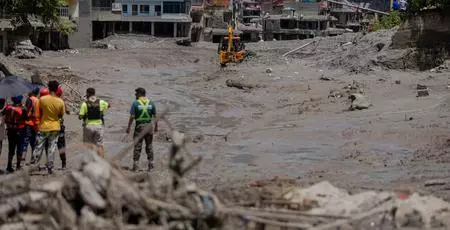
Photo: IANS

New Delhi: China on Monday rejected reports in some Indian media outlets that blamed Chinese hydropower and infrastructure projects for the flash floods near the Nepal-China border, saying the disaster was caused by the collapse of a high-altitude glacier.
Responding to a question from a Bloomberg reporter during a regular press briefing, Chinese foreign ministry spokesperson Guo Jiakun said experts and official agencies in China and Nepal had attributed last week’s flooding to the collapse of a glacier in Nepal, The Wire reported.
He dismissed what he described as speculation lacking a factual basis and said such claims were inappropriate in the aftermath of a disaster, AP reported.
Guo was also questioned about allegations that Chinese authorities had underreported the number of people killed or missing in the floods. He said China had provided information in an open, transparent and timely manner, while accusing critics of spreading smear campaigns and disinformation during ongoing disaster-response efforts.
The collapse of part of a glacier near the Nepal-China border, around 130 kilometres north of Kathmandu, triggered severe flooding last Wednesday. By Monday night, the combined death toll in China and Nepal had crossed 950, while more than 4,400 people were reported missing.
India’s Ministry of External Affairs said on Saturday that 275 Indian nationals were still missing following the disaster. By Monday night, the ministry said 158 Indians had been rescued.
Meanwhile, rescue teams were working to reach hundreds of workers believed to be trapped inside tunnels at hydropower project sites that were buried under mud following the floods. Around 500 workers were feared to be trapped in the tunnels.
In Nepal, the main affected river was lined with the remains of homes, vehicles and farm machinery buried in thick grey-brown sediment. Entire villages were covered by the debris, while landslides caused sections of rice terraces along the riverbanks to collapse into the water.