












Centre does not consider 9,000 to 10,000 Indians in Iran stranded’
text_fields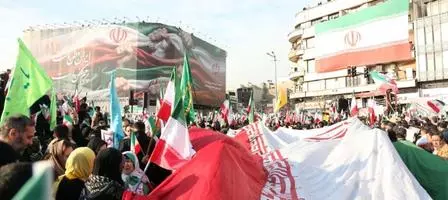

The Union government informed Parliament on Thursday that an estimated 9,000 to 10,000 Indian nationals are currently in Iran, but clarified that they are not being treated as stranded despite the ongoing unrest in the country.
The clarification was given in response to a query regarding Indians affected by the recent anti-government protests in Iran. The demonstrations, which began on December 28 over rising inflation, later widened into a broader movement demanding an end to clerical rule across more than 100 towns.
Citing figures from the US-based Human Rights Activists News Agency, PTI reported that at least 6,876 people were killed during the crackdown on the protests.
Minister of State for External Affairs Kirti Vardhan Singh told the House that there were no reports of any Indian citizen being missing or killed in connection with the unrest. He said the government did not consider Indians in Iran to be stranded, noting that Iranian airspace remained open and commercial flights were continuing, Scroll.in reported.
Singh added that Indian nationals who wished to return had been advised to use regular commercial air services, given that flights were operating normally. He also said the Indian Embassy in Tehran was maintaining regular contact with the community and continued to offer guidance and assistance.
The government had earlier, on January 16, advised Indian citizens to leave Iran while stressing that commercial flight services were still available. It had also stated that the situation was being closely monitored and that necessary steps would be taken to safeguard Indian nationals if required.
Singh further informed Parliament that no evacuation operations had been carried out since June, when hostilities had erupted between Iran and Israel. On June 26, the Ministry of External Affairs had said that 4,415 Indians were evacuated from Israel and Iran.
Amid the protests, Iranian authorities had cut internet access and telephone services on January 8, effectively isolating the country. The government accused the United States and Israel of instigating the unrest. While some restrictions were eased on January 13, messaging services reportedly remained suspended and internet access was limited to government-approved websites, according to the Associated Press.