



















Indian startup develops system to track satellites spying on India
text_fields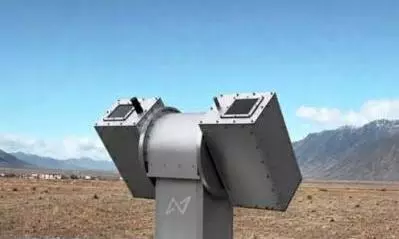

Indian startup Digantara is developing an autonomous space surveillance system designed to detect and track satellites, space debris, and other objects moving above India.
The country is seeking greater independence in monitoring activity in orbit.
Called MOSAIC, the system uses wide-field cameras, artificial intelligence and machine learning to scan portions of the sky and automatically identify objects passing through them. Unlike conventional systems that are directed towards specific targets, MOSAIC is designed to detect objects without being told in advance what to look for.
According to Digantara founder and CEO Anirudh Sharma, each unit can collect data on around 400 to 500 unique objects during a night. Multiple systems can be deployed across different locations to expand coverage.
The company is deploying its network across India, Namibia, Chile and New Mexico, with another deployment planned in Hawaii. It is also working on space-based sensors.
The system is part of a broader effort to strengthen India's Space Situational Awareness, which involves knowing what objects are in orbit, where they are and how their positions are changing.
India already has space surveillance capabilities through the Netra programme. However, indigenous commercial systems could provide additional observations and reduce dependence on foreign sources of space surveillance data.
The need for such awareness has grown as thousands of satellites now operate around Earth for communications, navigation, imagery and intelligence. Tracking their movements can help assess when sensitive areas may be observed and support the protection of satellites from collisions.
MOSAIC is designed to operate autonomously using solar power, onboard computing and communications systems. Its "Lost in Space" capability allows it to determine its position using patterns of stars.
Digantara is also exploring a laser-based capability intended to temporarily interfere with the optical sensors of imaging satellites, which it describes as a potential "soft kill" system.
For India, the expanding ability to independently observe activity in orbit represents a shift from simply accessing space to monitoring an increasingly crowded and strategically important environment above Earth.