














India not working hard enough for FIFA World Cup: Shaji Prabhakaran
text_fields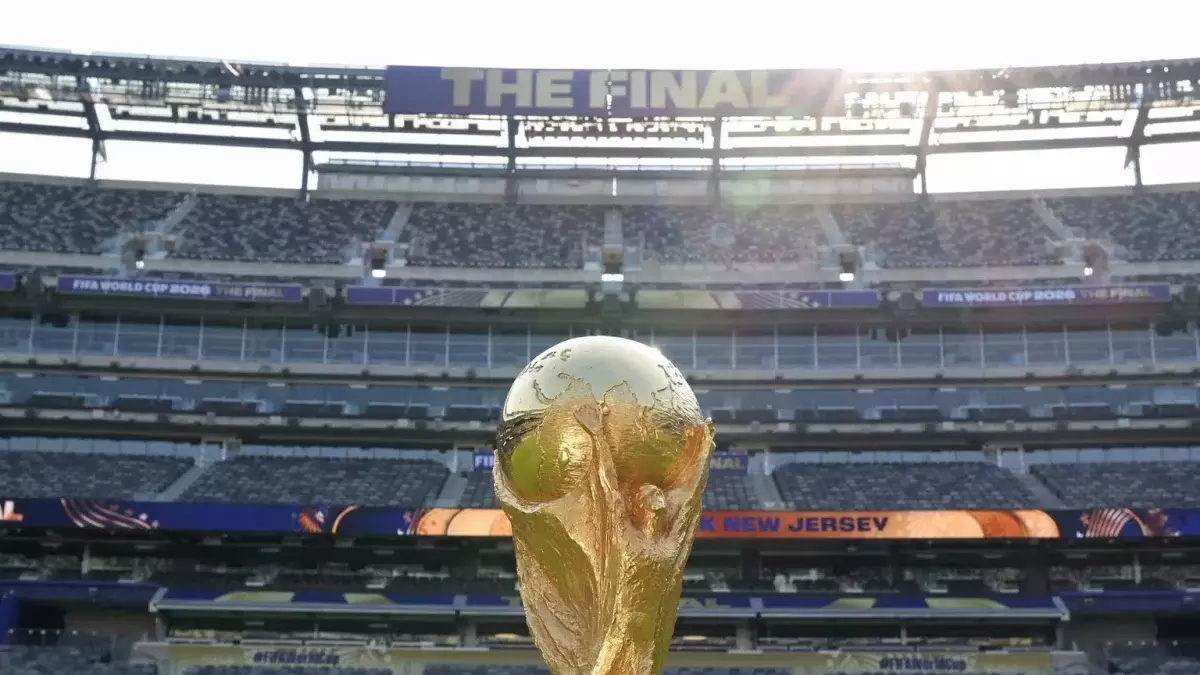

New Delhi: Former All India Football Federation (AIFF) General Secretary Shaji Prabhakaran believes India's failure to qualify for the FIFA World Cup is not due to a lack of talent, population or potential, but because the country's football ecosystem has failed to work collectively and consistently towards that goal.
In an exclusive interview with IANS, Prabhakaran said India must strengthen governance, grassroots development, youth competitions and long-term planning while ensuring transparency and unity among all stakeholders if it hopes to reach football's biggest stage.
"It's a very sad situation when the world asks why a country of 1.4 billion people has not qualified for the World Cup. The reality is that we are not working hard to be there. We have everything required, but it takes consistent and honest hard work, bringing people together and working as one. We lack in every aspect, but these are not difficult things to fix," Prabhakaran said.
He stressed that improvement is needed across every level of Indian football rather than in any single area.
"We need to improve in governance, grassroots development and the competitive environment at both youth and senior levels. It is all about sincerely working towards a common goal with the drive to bring about change," he added.
According to Prabhakaran, India already possesses two key ingredients for success—a passionate football fan base and a government willing to support the sport. However, he said football administrators must unite behind a shared vision and make the right decisions.
"The Government of India is serious about promoting sports and is willing to support football. I know the system is keen, but it is now up to the people leading football to take the right decisions at the right time and bring everyone together," he said.
Despite India's long absence from the World Cup, Prabhakaran remains optimistic that qualification is achievable through a structured long-term plan.
"Definitely, we can qualify for the World Cup. That is the hope we continue to believe in. One of my biggest goals before I leave this world is to see India play at the FIFA World Cup. That would be the greatest joy for those of us who have devoted our lives to the game," he said.
Rejecting the idea that extraordinary solutions are required, Prabhakaran said success depends on proper execution rather than innovation.
"It's not rocket science. If we want India to play in the World Cup in 10 or 15 years, it is very much possible. We need to develop our football structure from the grassroots to the top, bring people together and implement a genuine long-term project with a complete and transparent blueprint. Fans should be able to see what the organisation is doing, where the money is coming from and how it is being spent. That level of transparency is essential," he said.
Prabhakaran also argued that sustained government investment could transform Indian football if the sport's administrators demonstrate accountability and a clear development strategy.
"We need to convince the government that football is worth investing in and that we can deliver results and make India proud. If we succeed in doing that, the government can provide significant resources for the game. It will also encourage more people to come together because they will see football's potential and believe that those managing the sport can achieve meaningful change," he said.
Looking ahead, Prabhakaran proposed expanding India's elite player development system through a structured youth pathway.
"If we secure greater government support, I don't think we will fail. We already have capable people on the management side. On the technical side, we need to bring in experienced foreign professionals and build teams from the Under-17 level through to the senior national team. We should have 10 to 12 teams in every age group, with around 2,000 elite players in each category, and stay committed to that vision for the next decade. If we do that, we can truly reach the World Cup," he concluded.
With IANS inputs