














The writing on the wall in Uttarakhand and Tripura
text_fields

Contemporary India is witnessing the unfortunate sight of every corner of a country, which we believed to be peaceful and beautiful, being bedevilled by the toxic fumes of hatred and intolerance. Even as Gujarat, infamous for genocide in a way that makes one forget its reputation as Gandhiji’s birthplace, and states like UP, Madhya Pradesh, and Rajasthan, where hate crimes frequently occur, fill the headlines, the information coming out of Tripura and Uttarakhand—states that had previously stayed away from communal conflicts—is disturbing.
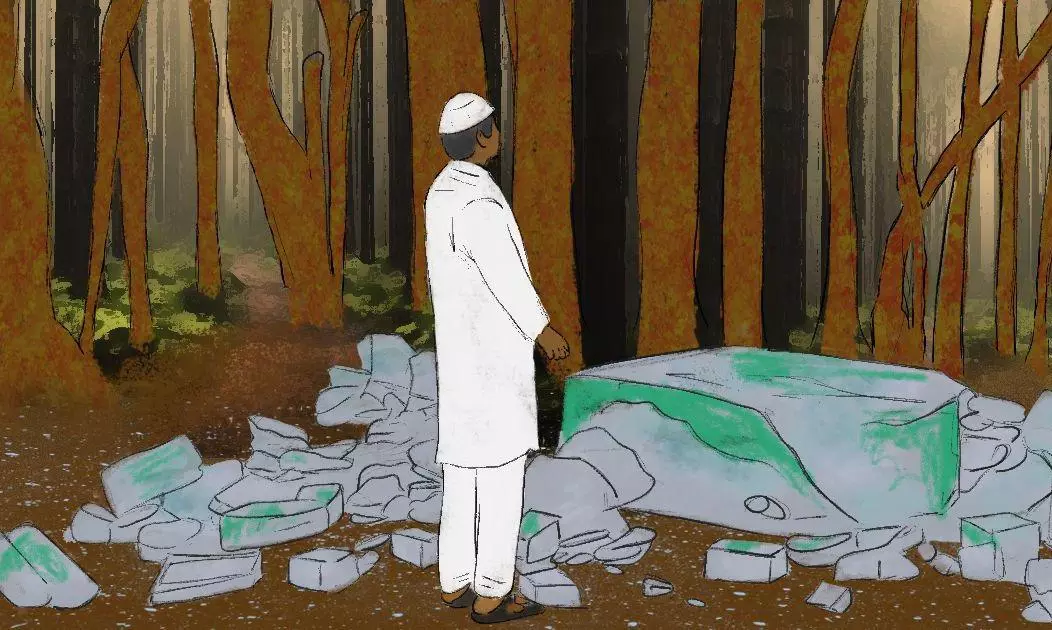
Except for minor disturbances during the time of Partition, Tripura enjoyed the proud reputation until a decade ago of being a region in independent India where conflicts or riots between religious groups were uncommon. This atmosphere of harmony was disrupted after the BJP government first came to power in 2018. The northeastern state, which witnessed communal clashes twice in 2019, is now facing a situation where riots and arson are occurring without any reason. Anyone would be shocked to learn why communally motivated assailants came together to destroy the properties and mosque of the Muslim community in the Shimultala area of Unakoti district on the 10th of this month. The violence reportedly erupted following a verbal dispute over the refusal to pay money demanded for a puja for a local festival. Minority leaders and opposition parties point out that the BJP government has clearly taken side with assailants, while the police too appear to be adopting a supportive approach towards the rioters, even threatening to file cases against people whose properties were destroyed. Much like the Prime Minister, who continued with election rallies and foreign trips without commenting on Manipur burning for months, Chief Minister Dr. Manik Saha dodged the riot-hit areas to stage roadshows and events in neighboring constituencies.
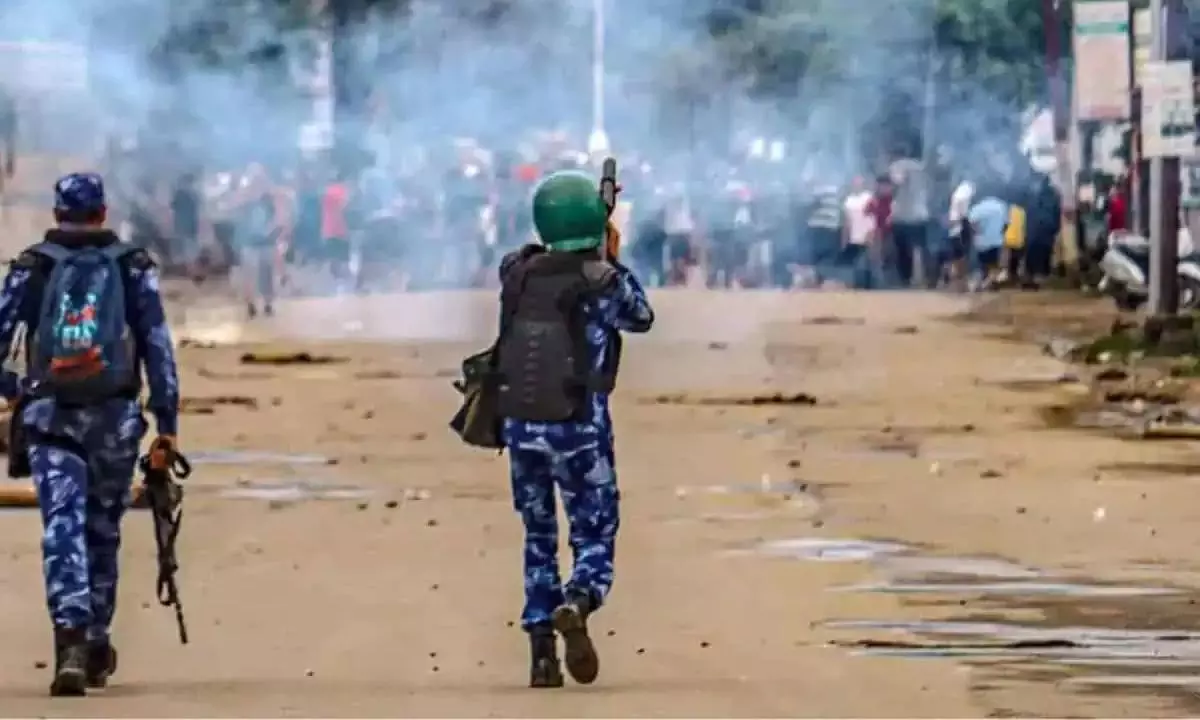
Uttarakhand is another hotspot of communal crimes. Nainital, the a favourite tourist destination and Haridwar and Uttarkashi, counted among the holy cities, have all become stages for numerous sequences of communal hate incident. After a gap, the BJP returned to power in the state in 2017, and the social climate here too underwent a shift. The Dharma Sansad held in Haridwar in 2021 openly called for genocide of Muslims. This was followed by demands for the demolition of mosques and madrasas, calls for economic boycotts, and 'jihad' allegations of various forms. Hate speeches by Hindutva groups and boycott banners have spread across every street corner. A report released by ‘India Hate Lab’ shows that Uttarakhand is among the five states recording the highest number of hate speeches in 2025. Not only religious minorities, but also ethnic minorities from northeastern states, including Tripura, who migrate for education and livelihood, are being targeted. Angel Chakma, an MBA student from Tripura, was killed in Dehradun in the last week of December while trying to fend off attackers who had hurled racial and caste-based abuse at his brother. Calling them Chinese, the attackers ignored Angel's protests that they were Indians and his asking what documents were needed, pressing on undeterred. The police authorities, entrusted with protecting life and property, later justified the incident as a misunderstanding.
A report released by the civil rights organisation APCR (Association for Protection of Civil Rights), which conducted fact-finding missions across various parts of Uttarakhand, paints a grim picture of how dangerous the situation has become. Members of the fact-finding team point out that Muslim families who had lived there for decades, even before the formation of Uttarakhand as a state, were forced to flee overnight due to threats of boycott and violence. Journalist Shristi Jaiswal, who visited Uttarakhand, said she felt ashamed as a Hindu and an Indian on seeing citizens being boycotted and physically attacked on allegations of being illegal residents, in complete violation of the law. She warns that the violence that began in Uttarkashi has now spread to Chamoli and other districts, creating an atmosphere of fear that is affecting everyday life and livelihoods.
It would be wise for those applauding, offering ride, and draping shawl on people fanning hatred against one community across the country to heed the writing on the wall in Uttarakhand and Tripura. Now it iss still not too late to correct course, but that may not be the case tomorrow.