











BRICS: let there be a collective step towards a new world order
text_fields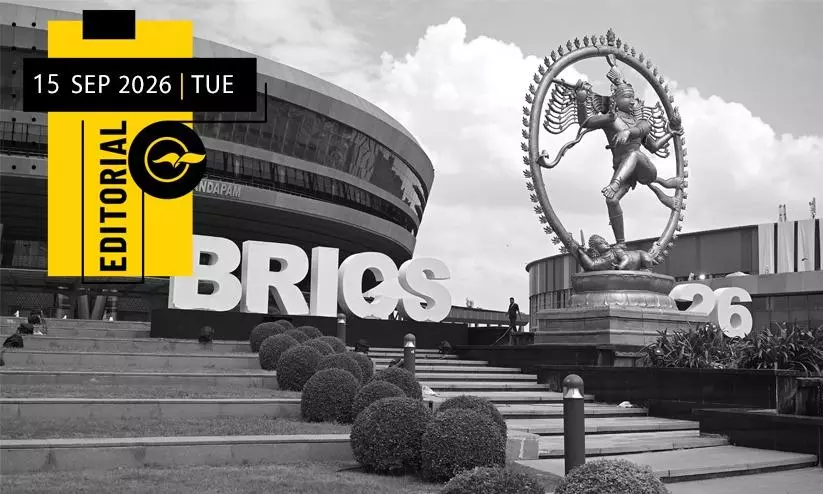

The 18th BRICS Summit hosted by India concluded with a sense of hope for a world struggling under imperial dominance in many ways. Following its expansion to 11 members, the grouping has increasingly come to be seen not merely as an economic platform, but as the collective political voice of the Global South. The summit put forward a call for a more democratic and multipolar world order as an alternative to the Western-centric power structures that emerged after the Second World War and to dollar dominance. At the heart of the New Delhi Declaration jointly adopted by the national leaders was the demand for an urgent overhaul of the outdated structures of global institutions, including the United Nations Security Council and the International Monetary Fund.
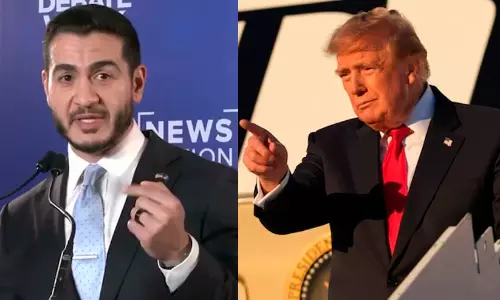
BRICS represents nearly half of the world’s population and a significant share of the global economy. Yet, the Global South still lacks a fair share in the crucial policy decisions that impact the lives of millions of people. Notably, the summit called for a specific timeline for UN reform rather than mere rhetoric, and adopted a collective position against the economic sanctions imposed by wealthy countries. The decisions to conduct trade in the respective currencies of countries without yielding to the threats of sanctions from Western financial systems, and to resist unilateral restrictions that weaken ordinary people and the markets of developing countries, offer hope. The joint stand against unilateral tariffs and economic sanctions imposed in violation of World Trade Organisation rules upholds the dignity of every sovereign nation. It is clear as daylight that this is aimed, though not by explicit mention of the name, at the tariff wars waged by US President Donald Trump.
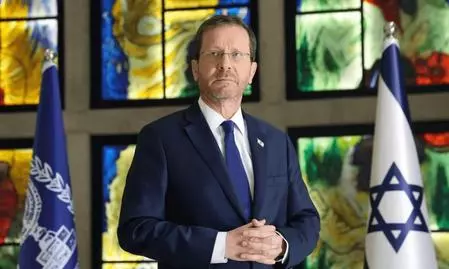
Peace, mutual cooperation and sustainable development through partnership could be described as the core values of the summit. The summit called for stringent measures against cross-border terrorism and the financing of terrorism, while also seeking to use the occasion to help thaw relations between the UAE and Iran. India, which enjoys friendly ties with both countries, can certainly take pride in endeavouring to make the conference a venue for this. During the summit, India was able to take the initiative in arranging a meeting between Iranian President Masoud Pezeshkian and Abu Dhabi Crown Prince Sheikh Khaled bin Mohamed bin Zayed Al Nahyan. From this land of non-violence and non-alignment, the Iranian President also made it clear that Iran was ready to forget the past and had no enmity towards the UAE or any other Arab country.
Recall that four months ago, the failure to reach a joint declaration after the BRICS foreign ministers’ meeting was due to the differing positions voiced by Iran and the UAE. Former Foreign Secretary Nirupama Rao described India’s ability to secure a joint declaration despite the sharp differences between the two countries as a diplomatic success. At the same time, there are observers who compared the summit speeches of the Indian Prime Minister with those of the heads of state of Russia and China, and doubted whether India demonstrated the same level of resolve in articulating its stance as it did in refining its diplomatic language. The summit strongly condemned Israel’s genocidal war in Gaza and its attacks on humanitarian aid mechanisms, while reiterating its support for a two-state solution. Its decisions to establish a common early-warning system among member countries for pandemic preparedness, a portal to promote small and medium-sized enterprises, and an urban mobility hub to facilitate the sharing of best practices in transportation reflect a spirit of cooperation and mutual care.
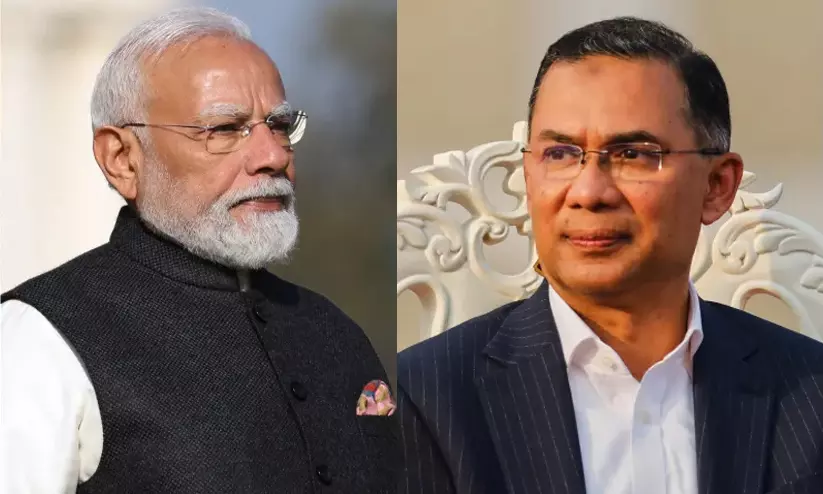
As Prime Minister Modi emphasised, our entrepreneurs, farmers, researchers, women, youth and ordinary citizens must also become participants in BRICS cooperation. The solutions developed within BRICS should not benefit BRICS countries alone; they must be adapted to the needs of countries in the Global South and made accessible to all. However beautifully these declarations may be worded, they will remain mere words as long as they fail to bring about changes in the lives of ordinary people. We have heard similar pronouncements on global platforms before, promising to break the dominance of the dollar and to make another world possible, free from hunger and sanctions. Therefore, what the world is watching for is when practical steps to turn these declarations into reality will begin. May the leadership not disappoint those expectations.