

















The unequal right to fail
text_fields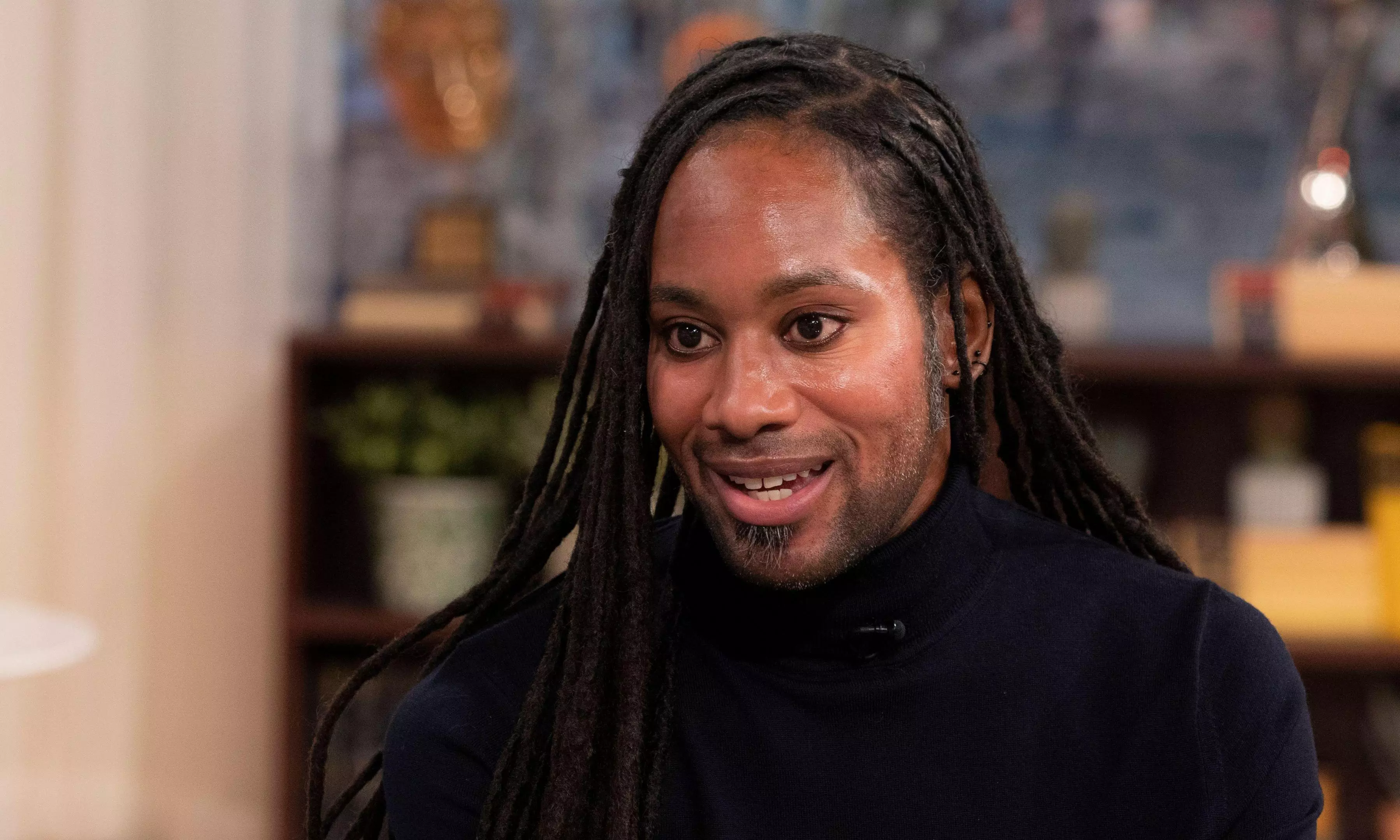
Jason Arday (photo courtesy:BBC)
Jason Arday is dead at 41. There were legitimate questions about his academic work, his biography and Cambridge University's decision to appoint him. They deserved investigation. Academic integrity matters, and neither race, disability nor an inspirational life story should put anyone beyond scrutiny.
But let's not pretend that is all that happened here.
This was not merely a plagiarism story. Serious questions emerged about Arday's academic record and some extraordinary claims he had made about his life, including his athletic achievements, charitable fundraising and childhood. Some were difficult to substantiate; others produced conflicting evidence. Journalists had every right to investigate them. Cambridge also had questions to answer about how thoroughly it vetted a professor whose remarkable biography it had helped promote.
Acknowledging all of that makes the question of proportionality more important, not less.
Arday became a symbol in the growing backlash against diversity, equity and inclusion, with his alleged failings held up as evidence of what was wrong with DEI. Once that happened, the scrutiny widened well beyond his scholarship. His qualifications, appointments, charity work, athletic accomplishments, childhood and disability were all put under the microscope. Somewhere along the way, the man himself became the investigation.
University of Westminster communications professor Steven Barnett counted 289 stories about Arday in Britain's mainstream press in just 22 days. Almost two-thirds appeared after he resigned. Arday wasn't a prime minister or cabinet minister. He was a sociology professor. Cambridge Chancellor Chris Smith called the coverage a “racist feeding frenzy,” while also insisting that allegations of academic misconduct must be rigorously investigated. Those positions are not inconsistent.
A Black academic can fail. He can exaggerate. He can plagiarize. He can be inadequately qualified for a position. Equality requires that we investigate those things and say so when the evidence warrants it. But equality should also mean that his failure remains his own.
A white professor accused of misconduct is usually a professor accused of misconduct. A Black professor whose appointment was celebrated as evidence of diversity can suddenly become evidence that diversity itself has failed. Arday was no longer simply an academic facing serious questions. He had become evidence in the case against DEI.
Compare that with other controversies involving academic integrity. In 2003, Norman Finkelstein accused Harvard Law professor Alan Dershowitz of plagiarism in The Case for Israel, including improperly relying on Joan Peters' From Time Immemorial for quotations and sources. Dershowitz vigorously denied the allegation and said Harvard investigated and rejected it, although questions were later raised about the scope of that review.
I have no interest in retrying that two-decade-old dispute. What interests me is what happened afterward. Dershowitz remained at Harvard for another decade. He continued writing and teaching and remained one of America's most prominent legal commentators. The allegations did not become proof that he had never deserved his Harvard chair.
Then there is Neil Gorsuch. During his 2017 Supreme Court confirmation, questions arose about unattributed similarities between portions of his academic writing and earlier works. Experts disagreed about their significance. Some saw plagiarism or violations of academic ethics; others saw sloppiness or defended the attribution involved. Gorsuch was confirmed to the Supreme Court.
The cases are not identical. Arday faced a broader and, in some respects, more serious collection of questions. But that is precisely the point. We know how to distinguish allegations from findings, mistakes from misconduct and misconduct from an entire career. We know how to consider context. We just don't seem to extend that generosity equally.
The controversy surrounding former Harvard president Claudine Gay followed a similar pattern. Whatever one thinks of the problems identified in her scholarship, and some deserved serious scrutiny, the controversy quickly became about far more than citations. Gay became evidence in a larger argument that affirmative action and DEI had displaced merit at Harvard.
And this is broader than Black academics. Members of dominant groups generally enjoy the privilege of being individuals. Their achievements belong to them, and so do their failures. We don't treat a white professor accused of plagiarism as evidence that white professors don't belong in universities. Their misconduct may destroy their careers, but it doesn't normally put everyone who looks like them on trial.
People from underrepresented groups don't always get that luxury. Black academics can find themselves standing in for diversity. Muslim academics can find their scholarship or political views treated as evidence about Muslims generally. Women, Indigenous scholars and other minorities can discover that their mistakes are no longer simply their own. Their successes are celebrated as breakthroughs; their failures become evidence against the very efforts that helped open doors.
That is the unequal right to fail.
Universities contribute to the problem. Elite institutions love diversity success stories. Cambridge didn't present Arday simply as another professor. It highlighted that he was its youngest Black professor, his extraordinary journey with autism and his work increasing minority representation in higher education.
There is nothing wrong with celebrating representation. But when institutions turn individuals into symbols of diversity, they also make it easier for critics to reverse the symbolism when something goes wrong. Cambridge helped make Arday a symbol of inclusion. His critics turned him into a symbol of DEI failure. Somewhere in between was a human being.
The answer is not to lower standards or shield anyone from legitimate scrutiny. Universities should rigorously vet the people they hire. They should verify extraordinary claims before promoting them. When allegations arise, investigate them fairly and transparently. Protecting someone from racism or harassment does not mean protecting them from criticism.
But when an individual fails, let that individual fail.
Someone from an underrepresented community should not have to be exemplary to justify being in the room. Equality means the right to succeed on one's merits. It should also mean the right to be imperfect without your imperfection becoming evidence against everyone who shares your identity.
None of this absolves Arday or Cambridge. Arday had serious questions to answer. Cambridge had an obligation to determine whether its appointment process failed. Journalists were entitled to investigate both. But scrutiny and spectacle are not the same thing.
Police say Arday's death was unexpected but is not being treated as suspicious. We should not speculate about what caused it. In his resignation statement, Arday said the accusations, speculation and public commentary had taken a “profound toll” on him and those he loved. That doesn't tell us why Jason Arday died, and we should resist pretending that it does.
But his story leaves us with a larger question. Can we hold people accountable without turning their failures into an indictment of everyone who shares their race, religion, gender or background?
We should be able to. Academic integrity and equality are not competing values.
Real equality should include the right to fail as an individual.
(Faisal Kutty is a Toronto-based lawyer and regular contributor to The Toronto Star. His articles also appear in Newsweek, Aljazeera, Zeteo, and Middle East Eye. You can follow him on X @faisalkutty)