













The silent saboteur: how cortisol quietly destroys your thinking
text_fields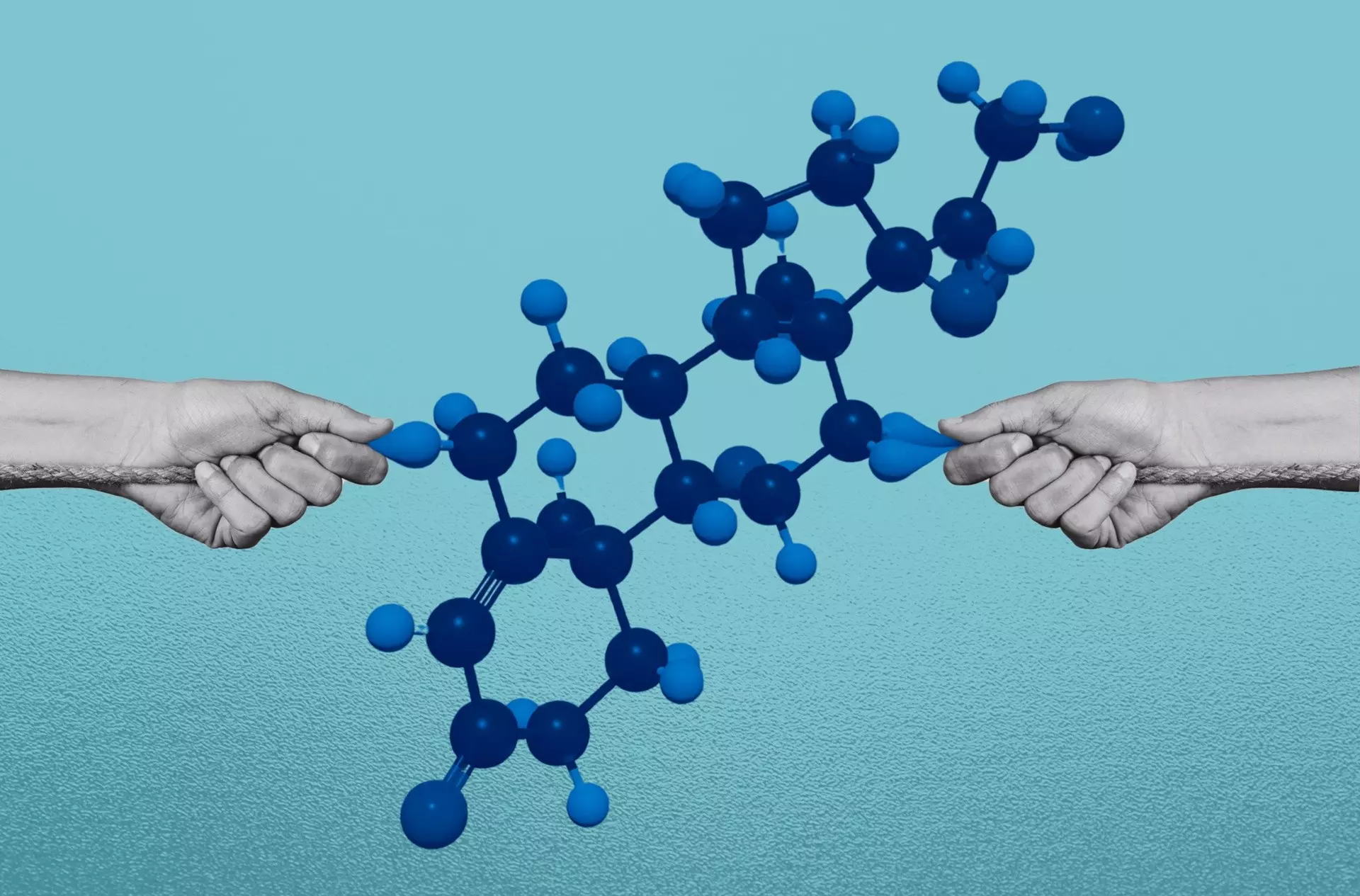

Your brain is under chemial attack. And the weapon is one your own body is producing.
Cortisol, commonly labelled the stress hormone is not inherently your enemy. In short and controlled bursts, it is brilliantly useful. It sharpens focus in moments of genuine danger, mobilises energy when you need to perform and keeps you alert when the situation demands it. Evolution designed it perfectly for a world of occasional, passing threats.
The problem is that your nervous system was never designed for the world you are actually living in.
What chronic cortisol does to your brain
When stress becomes a permanent background condition, relentless deadlines, financial pressure, toxic relationships, doomscrolling at midnight, cortisol stops visiting and moves in permanently. And a long-term cortisol tenant is a destructive one.
The first casualty is your prefrontal cortex, the executive command centre responsible for rational thinking, sound decision-making, impulse control and emotional regulation. Elevated cortisol literally shrinks this region over time. The person who once thought clearly, planned strategically and responded calmly, begins to react, scatter and spiral instead. You are not becoming less intelligent. Your brain is being chemically compromised.
The second casualty is your hippocampus, the seat of memory and learning. Chronic cortisol damages hippocampal neurons, impairing your ability to retain new information and retrieve existing knowledge. Students under prolonged stress forget what they studied. Professionals under sustained pressure make errors they would ordinarily never make. Lifelong learners find that nothing sticks. This is not laziness. This is neuroscience.
The third casualty is your emotional brain. With the rational prefrontal cortex weakened and cortisol surging, the amygdala, your threat-detection centre, takes over operations. Suddenly everything feels urgent, dangerous or personal. Conversations feel like confrontations. Feedback feels like attacks. Ordinary challenges feel insurmountable.
The way back
The antidote is not a supplement or a slogan. It is a disciplined return to the basics your nervous system actually requires: genuine sleep, intentional movement, moments of stillness, regulated breathing and ruthless boundaries around what you allow to occupy your mental space.
Cortisol responds to perceived threat. Change what your body believes is threatening and you change your neurochemistry.
Your clearest thinking, sharpest memory and most grounded decisions are waiting on the other side of a calmer nervous system.
Protect your brain.
It is the most sophisticated tool you will ever own.