














US-Iran talks cancelled after deadly Israel-Hezbollah clashes
text_fields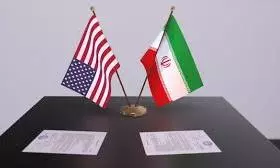

Planned talks between the United States and Iran in Switzerland on Friday were abruptly cancelled after a surge in fighting between Israel and Hezbollah left dozens dead and raised fresh concerns about the regional peace process.
The discussions were intended to begin in the Swiss village of Obbürgen, two days after the signing of a memorandum of understanding (MoU) that opened a 60-day window for negotiations on Iran's nuclear programme and efforts to restore shipping through the Strait of Hormuz.
The White House said it still looked forward to beginning technical talks "as soon as possible" but confirmed that Vice President JD Vance, who is leading negotiations for the Trump administration, would no longer travel to Switzerland.
The cancellation followed one of the deadliest exchanges between Israel and Hezbollah since a ceasefire was established. Hezbollah launched rockets and drones at Israeli forces near Nabatieh in southern Lebanon, killing four Israeli soldiers. Israel responded with a wave of airstrikes on Nabatieh and nearby areas in southern Lebanon and the Bekaa Valley, killing at least 18 people and wounding 33, according to Lebanon's health ministry.
Hezbollah said it was targeting Israeli forces advancing near the foothills around Nabatieh. Israeli National Security Minister Itamar Ben-Gvir called for a strong military response following the deaths of the soldiers.
The cancellation came so suddenly that Vance's staff and journalists had already gathered at Joint Base Andrews outside Washington in preparation for the trip, while White House officials and advance teams were already in Switzerland.
Iran's Supreme Leader Ayatollah Mojtaba Khamenei said he had approved the MoU despite reservations. However, Iranian media reported that Tehran wanted to see evidence of US implementation of the interim agreement before proceeding with further negotiations.
Israel, which is not a party to the US-Iran agreement, has continued military operations in Lebanon and has rejected calls for a complete withdrawal from southern Lebanon. The MoU calls for the permanent termination of the conflict in Lebanon and respect for the country's territorial integrity.