


















Mercury-laced skin-lightening creams may cause kidney damage: study
text_fields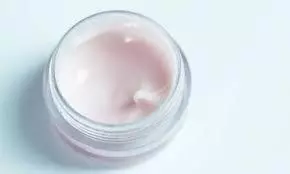

A new global report has raised alarm over the presence of mercury-laden skin-lightening creams being sold on e-commerce platforms.
Some products have been found to contain mercury levels up to a thousand times higher than the legal limit.
Tests conducted on creams manufactured across Asia revealed that a majority contained dangerously high concentrations of mercury — a toxic heavy metal known to cause severe health problems, including kidney failure and nerve damage.
While skin-lightening products sold through regulated brands largely comply with safety norms, untested and imported creams from unverified sellers continue to be freely available online. Experts warn that this unchecked availability poses a serious public health risk.
Mercury is often used in certain skin-lightening products for its ability to inhibit melanin, the pigment that gives skin its natural color and protects it from harmful UV rays. By blocking melanin production, these products create an illusion of lighter skin. However, long-term use damages the skin’s natural barrier, leading to redness, itching, and uneven patches once the product is discontinued — a reaction known as “reverse pigmentation.”
Beyond cosmetic damage, continuous exposure to mercury can trigger far more serious effects.
Doctors have recorded cases of nephrotic syndrome — a condition in which the kidneys leak protein into the urine — among regular users of such creams. Prolonged exposure can eventually lead to kidney failure. Mercury can also affect the nervous system, causing tremors, fatigue, and mouth sores.
Though these creams are applied topically, mercury can enter the body through several routes.
Vapors from the product can be inhaled, small amounts may be accidentally ingested if it touches the lips, and absorption can occur through the skin and mucous membranes. Because the skin covers a large surface area, even small concentrations can build up in the body over time, eventually accumulating in the kidneys.
Health authorities advise consumers to avoid untested skin-lightening creams, especially those purchased from unverified online sellers. Labels containing terms such as calomel, cinnabaris, hydrargyrum, quicksilver, or any mention of mercury or mercuric compounds indicate the presence of the toxic element.
Warnings that advise keeping the product away from jewelry or metals can also be a red flag.
Dermatologists recommend consulting certified professionals for any form of skin-lightening treatment and choosing products approved by recognised health regulators. Experts emphasise that only verified and tested cosmetics should be made available on digital marketplaces to safeguard consumer health.