

















Extreme heat increasingly affecting pregnant women, newborns, survey finds
text_fields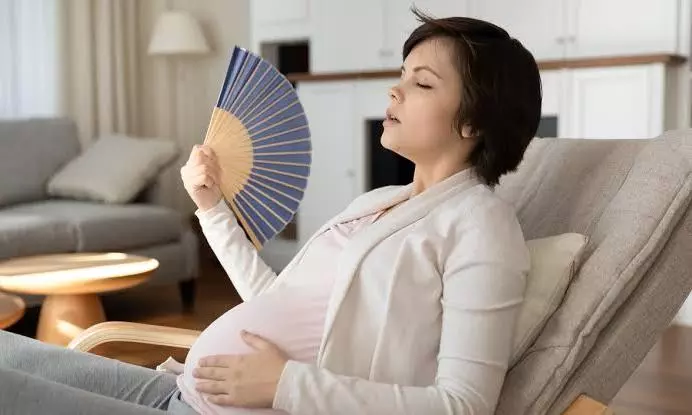

Extreme heat is increasingly affecting the health of pregnant women and newborns.
Nearly three-quarters of maternal healthcare professionals surveyed across five countries reported a rise in heat-related cases and complications over the past five years, according to a survey commissioned by Wellcome.
The survey of 1,000 healthcare professionals in India, Australia, Brazil, the UK and Zimbabwe found that 73% had seen an increase in heat-related cases or complications among pregnant women, while 76% reported an increase affecting foetal or newborn health.
Nearly all respondents said they had personally cared for a pregnant woman or baby whose health they believed had been adversely affected by extreme heat. This included 98% who reported caring for an affected pregnant woman and 99% who reported caring for an affected baby.
About 23% said they had seen pregnancy complications requiring additional monitoring or treatment that they believed were linked to extreme heat. Healthcare professionals also reported low birth weight or restricted growth (34%), dehydration and heat-related illness among newborns (36%), and difficulties with feeding, breathing or temperature regulation (33%).
Extreme heat was also affecting access to care.
About 27% said heat was making it harder for pregnant women and families to travel to or access maternal healthcare, while 29% reported an increase in urgent or emergency presentations.
Previous research has linked heat exposure during pregnancy to preterm birth, low birth weight, stillbirth, and maternal complications.
A 2024 review found that for every 1°C rise in heat exposure, the odds of preterm birth increased by around 5%, while exposure to heatwaves was associated with a 25% higher risk of obstetric complications.
About 81% of respondents said they were concerned that extreme heat would pose a growing risk to maternal, foetal and newborn health over the next five years without further action.
Another 82% said policymakers and health system leaders should give greater priority to protecting pregnant women and babies.
The survey found that 92% of healthcare professionals wanted more training and resources, while 55% said clearer national or international guidance would help them provide better care.