













Self-regulation for online media ineffective; SC notes need for independent body
text_fields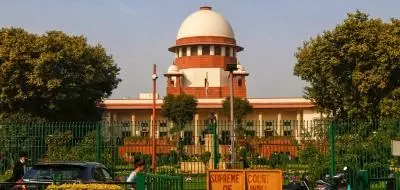

The Supreme Court on Thursday underlined the need for an impartial and independent authority to oversee obscene, offensive or unlawful material on digital platforms, signalling that existing self-regulatory systems were inadequate, according to Live Law.
The observation came from a bench led by Chief Justice Surya Kant, along with Justice Joymalya Bagchi, while hearing petitions by podcaster Ranveer Allahabadia and others who have challenged the registration of FIRs against them over allegedly explicit remarks made during a February episode of the YouTube show India’s Got Latent. The court has since widened the proceedings to examine the broader issue of framing safeguards to deal with obscenity online.
During the hearing, Attorney General R. Venkataramani and Solicitor General Tushar Mehta informed the court that the Union government was in the process of drawing up fresh regulations and was holding consultations with concerned stakeholders. Mehta indicated that the issue extended beyond obscenity and included the spread of perverse user-generated material about individuals on platforms such as personal YouTube channels, Scroll.in reported.
The chief justice shared concern over the lack of regulation of content creators.
Counsel appearing for the Indian Broadcast and Digital Foundation told the Supreme Court that a regulatory framework already exists through the 2021 Information Technology Intermediary Guidelines and Digital Media Ethics Code Rules, though these provisions are currently under challenge before the Delhi High Court.
The lawyer said that even after provisions of the rules were stayed, streaming platforms had continued to comply on a voluntary basis by categorising content and assigning age ratings under the Digital Media Ethics Code, according to Live Law.
It was also pointed out that a grievance redressal mechanism led by former judge Gita Mittal has been set up to examine complaints relating to online content.
However, the Chief Justice voiced doubts about the effectiveness of self-regulation and indicated that a statutory framework was required instead.
Chief Justice Surya Kant remarked that self-styled bodies would not be an adequate solution and stressed the need for an independent and neutral regulator that is free both from those who profit from digital content and from state influence. He also pointed out that repeated violations raised questions about the effectiveness of existing self-regulatory systems.
Justice Joymalya Bagchi, meanwhile, raised concerns about accountability, asking whether content creators would accept responsibility if their material was viewed as anti-national or harmful to social norms.
Earlier this year, the court had indicated its intention to step in to address allegedly obscene material on YouTube and other social media platforms, and in March had pressed the Union government to draw up formal guidelines. In a previous hearing, Chief Justice Surya Kant had also cautioned that any such rules should strike a careful balance between freedoms and duties.