






Law students can’t be barred from exams for lack of attendance: Delhi HC
text_fields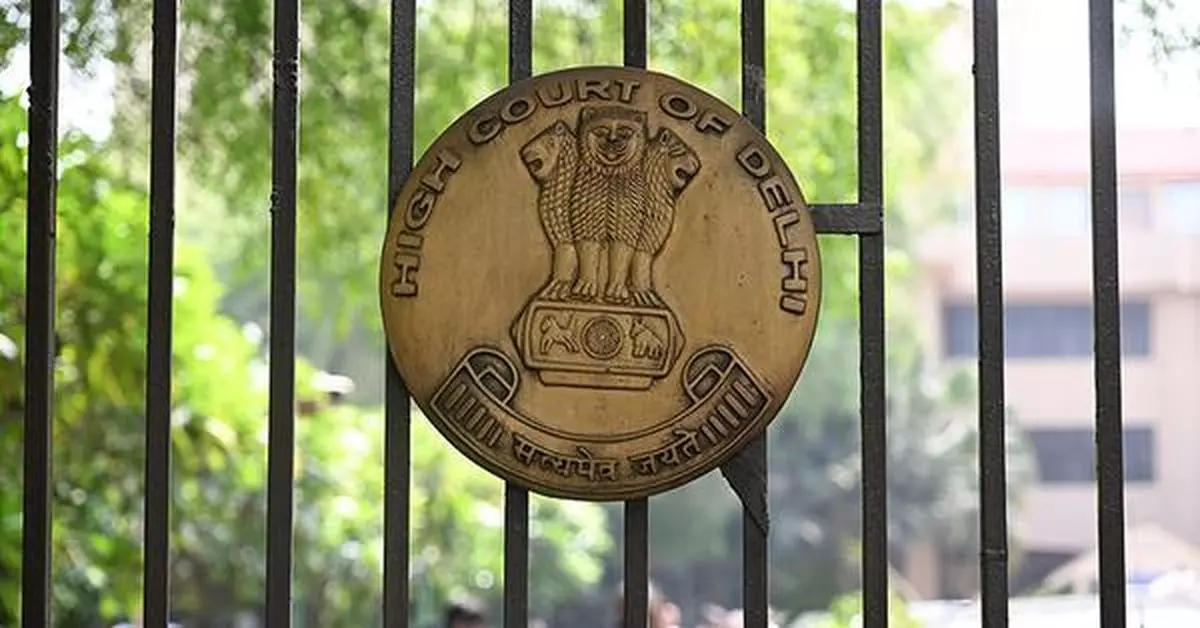

New Delhi: The Delhi High Court on Monday ruled that no law student in India can be barred from appearing in semester examinations or denied promotion to the next semester solely due to a shortage of attendance.
A bench comprising Justices Prathiba M. Singh and Amit Sharma, while delivering a detailed verdict in a suo motu case initiated after the suicide of a young law student, held that detention or academic penalty for lack of attendance cannot override a student’s mental health or right to life.
Taking cognisance of the “debilitating impact” of rigid attendance requirements, the High Court issued comprehensive interim directions pending consultations by the Bar Council of India (BCI) to reform attendance rules across law colleges and universities nationwide.
“No student enrolled in any recognised law college, university, or institution in India shall be detained from taking examinations or be prevented from academic progression or career advancement on the ground of lack of minimum attendance,” the bench directed.
The court clarified that while institutions may continue to track attendance, academic progression cannot be halted merely because a student falls short of the required percentage. Instead, universities and colleges have been directed to adopt remedial measures, such as holding extra classes, offering home assignments, or providing opportunities for practical legal work to compensate for attendance shortages.
The Delhi High Court further ruled that even if a student fails to meet the minimum attendance requirement by the end of the semester, the only permissible academic penalty shall be a limited deduction — up to 5% in marks or 0.33 in CGPA — while ensuring promotion to the next semester is not withheld.
The directions form part of a broader effort to align legal education with the principles of the National Education Policy (NEP) 2020, which prioritises flexibility, holistic learning, and mental well-being over rigid attendance mandates.
Calling the absolute bar on appearing for exams without mandatory attendance as prescribed in Rule 12 of the Legal Education Rules, 2008, inconsistent with the spirit of the NEP and the UGC Regulations, 2003, the bench urged a rethink of outdated norms.
The BCI has been asked to re-evaluate and modify attendance requirements for both 3-year and 5-year LL.B. programmes in consultation with stakeholders, including students, parents, and teachers and to incorporate credits for co-curricular activities such as moot courts, debates, and legal aid work.
Until the BCI’s revised rules come into effect, the Delhi High Court’s directions will operate across India, ensuring that no law student is denied examinations or progression solely due to attendance shortage.
With IANS inputs