















Karnataka HC declines to revoke bail in Ashraf lynching case, orders interim relief framework for mob violence victims
text_fields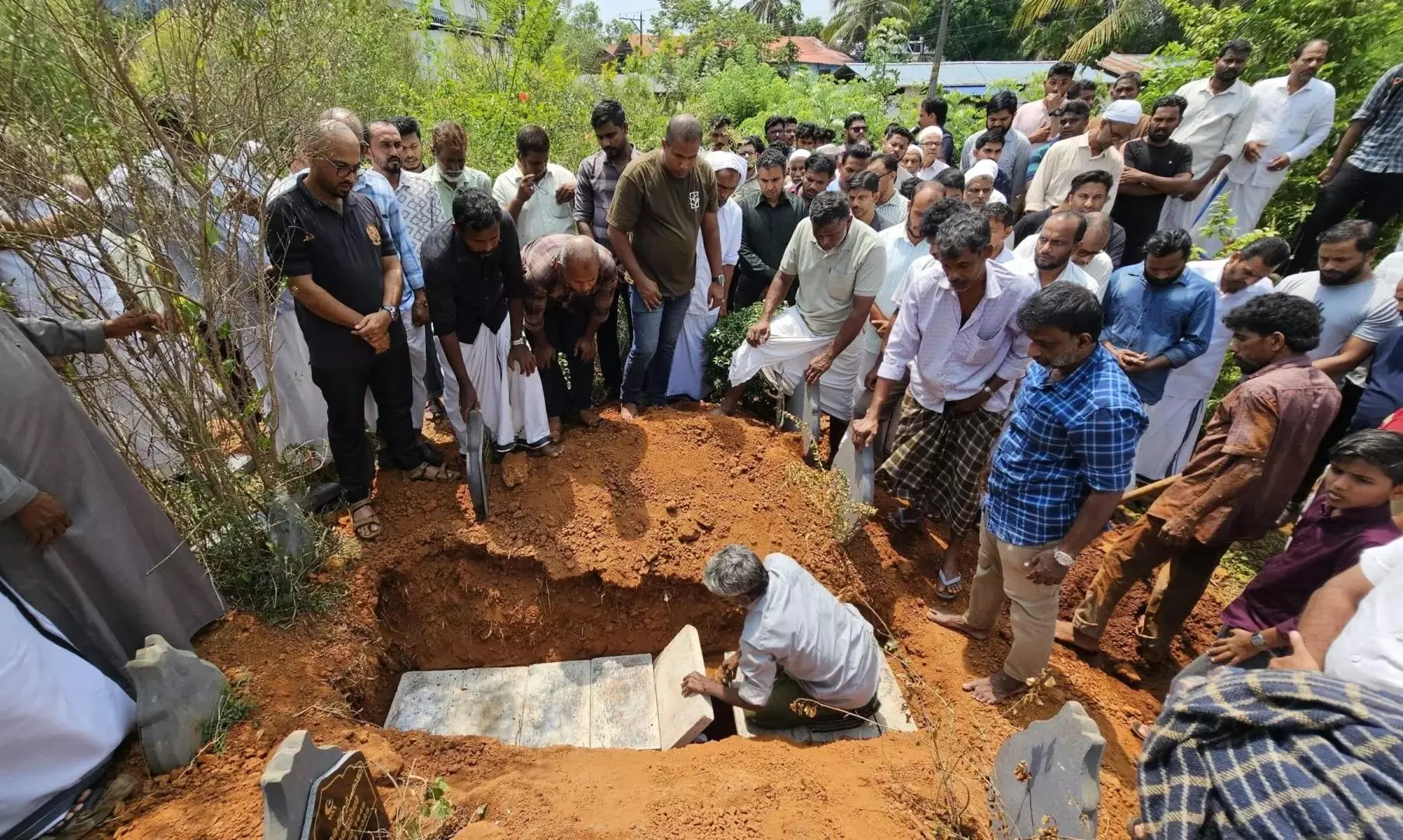

Bengaluru: The Karnataka High Court has rejected petitions seeking cancellation of bail granted to several accused in the Mohammed Ashraf lynching case, but directed the state government to introduce a mechanism for immediate financial assistance to victims of mob violence and their families.
Justice Vijaykumar A. Patil ordered the Karnataka government to frame, within three months, a scheme for interim compensation to victims of lynching and other forms of mob violence, or to the next of kin of those killed in such attacks.
The direction came after the court found that the existing state framework provided for compensation but did not contain a provision for interim relief, as required under the Supreme Court’s directions in Tehseen S. Poonawalla v. Union of India.
The High Court said courts dealing with bail pleas in mob-violence cases must ensure that victims or their relatives are heard. It held that the Sessions Court had made a “grave error” by not issuing prompt notice to Ashraf’s family before granting bail to the accused.
However, the court ruled that this procedural lapse, by itself, was insufficient to overturn the bail orders.
Explaining its decision, the court said a bail order can be set aside only when it is shown to be illegal, arbitrary, perverse or unjustified. Cancellation of bail after it has been granted would ordinarily require subsequent developments, such as a breach of bail conditions by the accused.
The court noted that the police had completed the investigation and filed the chargesheet. It also took into account the prescribed six-month period for disposal of mob-violence cases, the bail granted to other accused in the case and the absence of any allegation that those released had violated their bail conditions.
While noting that parity cannot be applied mechanically in favour of co-accused, the court said the allegations concerned a collective act of violence and no distinct role had been attributed to the accused whose bail was challenged.
The High Court further instructed its registry and Principal District Judges to issue directions ensuring that victims, or their next of kin, are impleaded in all cases involving mob lynching or mob violence.
Ashraf, a Kerala native who was living in Wayanad with his family, was assaulted near Kudupu in Mangaluru during a local cricket match. The prosecution has alleged that he was attacked by a group after an altercation at the venue. He later died of injuries sustained in the assault.
The victim’s relatives and the Karnataka government had moved the High Court against the bail granted to the accused. The court’s order reinforces the requirement of notice to victims’ families at the bail stage and calls for prompt financial relief in cases of mob violence.