
















From E. coli-contaminated water to deficient toilets: CAG report reveals pathetic state of railway stations
text_fields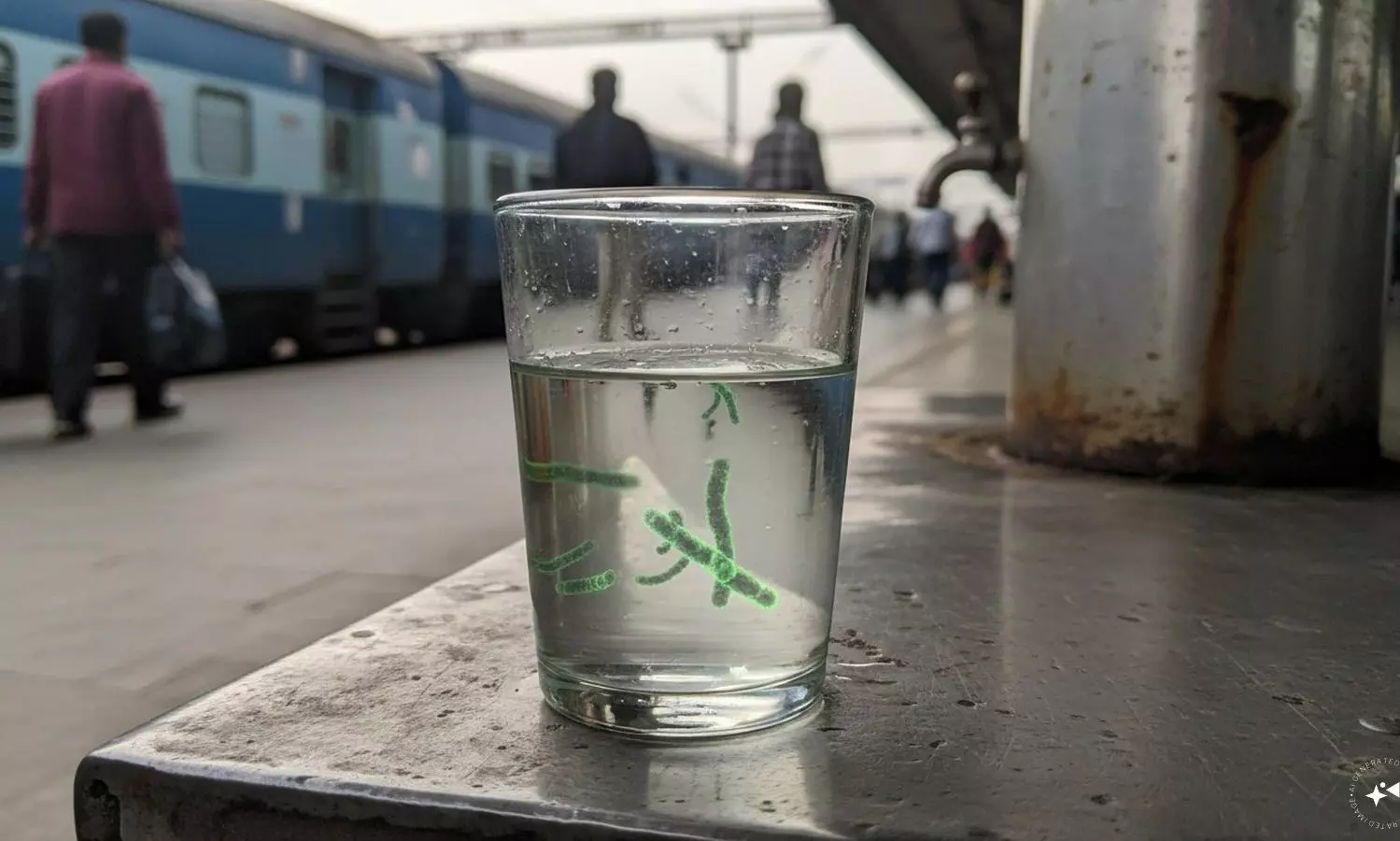

The flagging of poor amenities at railway stations across the country, including the presence of E. coli bacteria, indicating the mixing of sewage or animal or human faecal matter in drinking water, besides the shortfalls in other basic facilities highlighted in the report of the Comptroller and Auditor General (CAG), drew wider attention to the pathetic and dangerous situation at major railway stations.
Soon after the CAG report, Minister for Railways Ashwini Vaishnaw directed that immediate corrective measures be taken to resolve the issues identified as essential, such as drinking water, for which measures such as the installation of ‘tank to tap’ water filtration systems at around 20,000 locations, including water coolers, across the stations will be taken.
Officials said water would be tested regularly at both source and outlet points, while storage tanks would undergo scheduled cleaning and maintenance.
The CAG, in its report titled Passenger Amenities and Sanitation at Non-Suburban Railway Stations in Indian Railways, found E. coli in drinking water samples collected from taps at eight of the 49 stations tested, including Coimbatore, Palakkad, Hyderabad, Chhatrapati Shivaji Maharaj Terminus, Bhiwandi Road, Kalyan, Lonavala, and Madhupur.
Of the 512 stations inspected, 458, or more than 89 per cent, were found deficient in one or more Minimum Essential Amenities, including drinking water, seating, toilets, platform shelters, fans, water coolers, and signage, with even major, high-revenue and high-footfall stations affected.
The audit, covering 2019-20 to 2023-24, also highlighted non-functional and unhygienic toilets, inadequate sanitation facilities, poor garbage management, and unauthorised entry points.
Of 395 passenger amenity works reviewed, 59 per cent were delayed, with some taking more than four years. The CAG also noted rising complaints over cleanliness, water availability, medical assistance, and electrical facilities, coupled with growing dissatisfaction over grievance resolution.