
















EC declines to disclose software used to flag SIR errors, cites trade secrets exemption
text_fields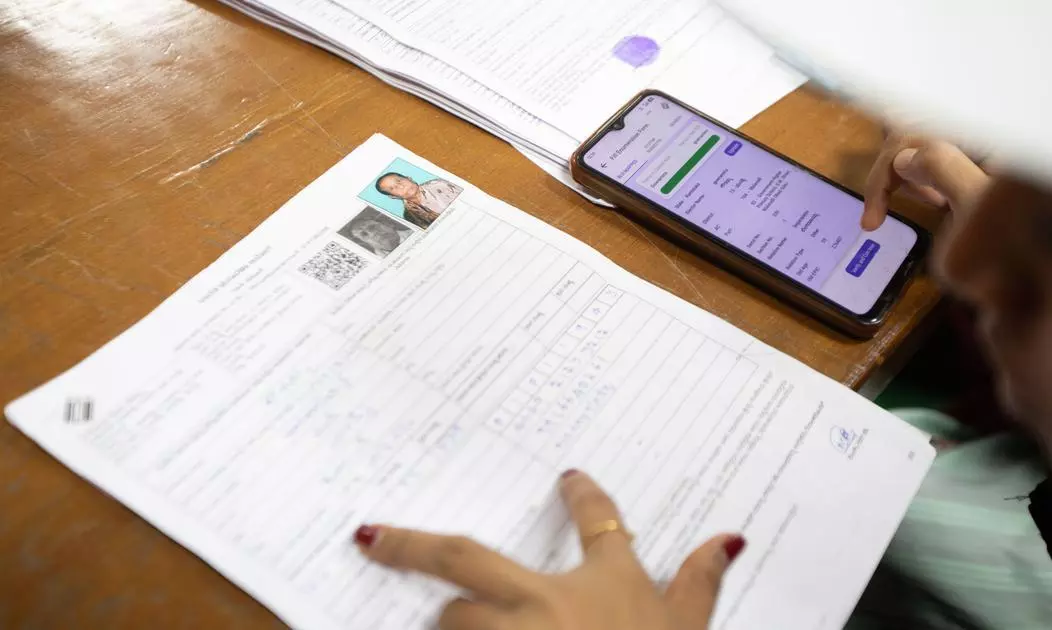

New Delhi: The Election Commission has declined to reveal the name and version of the software it reportedly used to detect errors and anomalies in electoral rolls during the special intensive revision (SIR), citing the Right to Information Act’s exemption for information relating to commercial confidence, trade secrets and intellectual property.
The response came to an RTI application filed by activist M A Mujeeb Ayyub, according to a report in The Hindustan Times.
In its reply dated October 16, the poll panel said no new software had been developed or procured specifically for the special intensive revision. It also said electoral registration officers decide on the inclusion or exclusion of a voter on the basis of facts and records.
“The electoral registration officer of the concerned constituency is the statutory authority responsible for the preparation and revision of electoral roll of that constituency,” the Commission said, according to the report.
Ayyub had sought details on whether the software or an artificial intelligence platform automatically flags voter records for verification, correction or deletion. He also asked about safeguards against false positives and the wrongful flagging of genuine electors, and whether AI, machine learning, predictive analytics or automated decision-support tools were used at any stage.
The Election Commission said some of the information sought amounted to a “clarification” and did not fall within the definition of “information” under the RTI Act.
On the question of who reviews the flagged anomalies, the panel refused to disclose details, invoking an exemption for information that could endanger a person’s life or physical safety, or reveal confidential sources provided for law enforcement or security purposes.
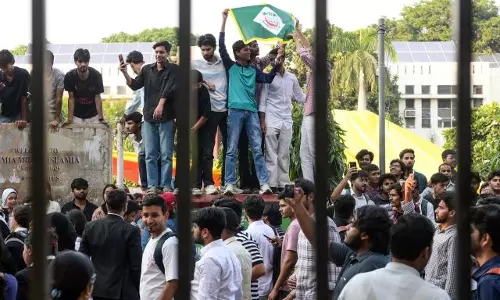
The Commission’s response comes amid protests against Chief Election Commissioner Gyanesh Kumar over the functioning of the Election Commission and alleged irregularities in the revision of voter rolls.
The Congress criticised the poll body’s refusal to share details about ECINET, the Election Commission’s online platform for voter registration and related services.
Congress leader Jairam Ramesh said the lack of transparency around the ECINET software and the use of AI had damaged the credibility of the process among citizens.
“The Election Commission is repeatedly refusing to provide this information because it will reveal the reality of the massive, centralised manipulation that has taken place,” he wrote on social media.
Ramesh questioned why the Commission was denying the use of AI in the special intensive revision “when it is clearly being used”. He also referred to a report by The Indian Express, saying the ECINET software and the Commission’s Information and Technology Division had been the focus of objections raised by Election Commissioners Sukhbir Singh Sandhu and Vivek Joshi.
On September 23, The Indian Express reported that Sandhu and Joshi had formally objected 14 times in 10 months to decisions related to the special intensive revision, saying some were taken without their knowledge.
The SIR exercise, which began in June 2025, has faced questions over its implementation and pace, with concerns that it could disenfranchise genuine electors and influence election results.
In May, the Supreme Court upheld the legality of the exercise but clarified that this did not mean the Election Commission could decide whether a person is an Indian citizen.