
















Climate change presents monetary policy challenges, says RBI
text_fields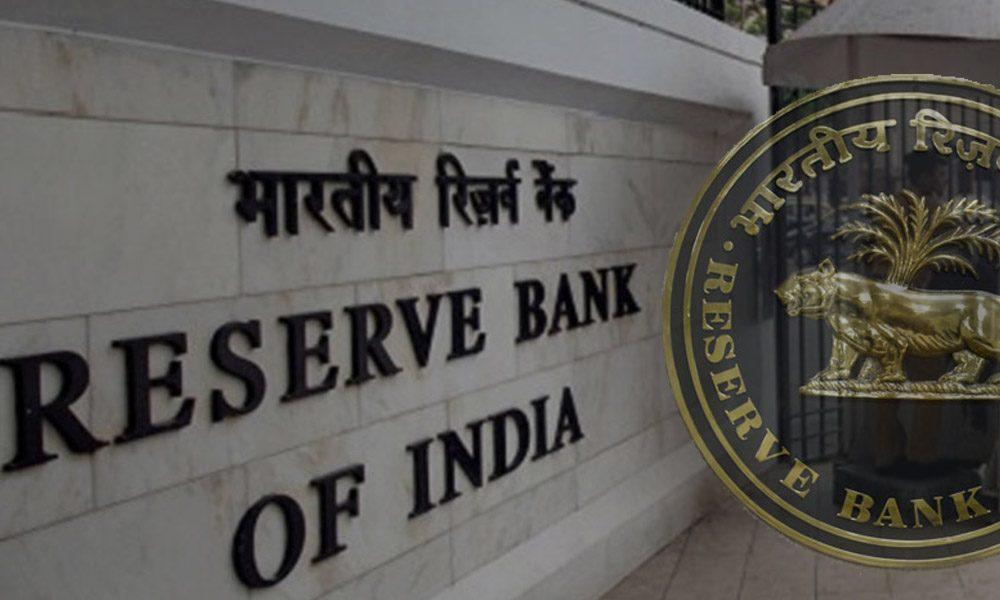

New Delhi: In its latest report, the Reserve Bank of India (RBI) highlighted the significant challenges posed by climate change for monetary policy, particularly in light of the increased frequency and intensity of weather shocks.
The report underscores the escalating impact of climate change on global temperatures, leading to more frequent and severe extreme weather events (EWE).
According to the RBI's Monetary Policy Report for April 2024, these developments have profound economic and social implications.
Specifically, the report emphasizes how climate change has heightened the frequency and severity of weather shocks, thereby presenting hurdles for monetary policy. It outlines several channels through which climate change can influence monetary policy dynamics.
Firstly, climate change directly affects inflation by disrupting agricultural production and global supply chains through adverse weather events. Additionally, it could alter the natural rate of interest, and its aftermath might hinder the transmission of monetary policy measures to the financing conditions faced by households and firms.
The report highlights the growing trend among central banks to explicitly incorporate climate risks into their modeling frameworks in response to these challenges.
In the absence of effective climate mitigation policies, the report warns of a potential 9% reduction in long-term output by 2050 compared to a scenario without climate change and a full pass-through of its physical risks to the economy.
The RBI also notes that diminished productivity resulting from climate change may lead to a decrease in the natural rate of interest. Despite this, the frequent inflation shocks necessitate a tighter monetary policy stance, even in the context of a lower natural rate of interest.
The report also underscores how the frequent weather-related disruptions associated with climate change pose downside risks to the baseline growth trajectory.