


Chidambaram calls ‘One Nation, One Election’ bills unconstitutional at JPC meeting
text_fields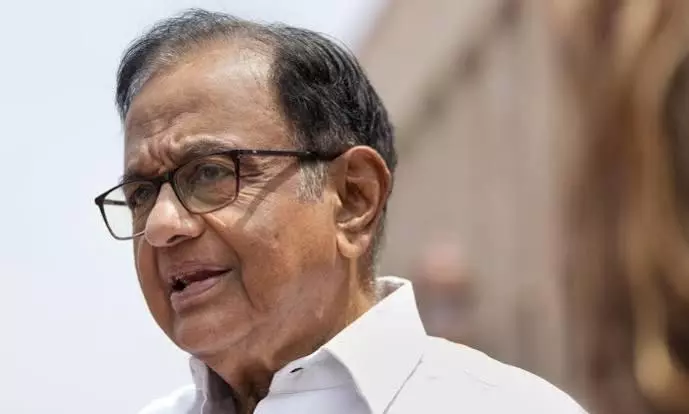

Former finance minister P Chidambaram on Monday opposed the “One Nation, One Election” proposal at a meeting of the Joint Parliamentary Committee examining the bills, calling the legislation unconstitutional, flawed and illogical.
Chidambaram, who appeared before the committee chaired by BJP MP PP Chaudhary, raised objections to the Constitution (129th Amendment) Bill, 2024, and the Union Territories Laws (Amendment) Bill, 2024.
According to sources, Chidambaram argued that the proposed legislation undermines the basic structure of the Constitution, particularly parliamentary democracy. He said the five-year tenure of legislatures elected by the people could not be curtailed prematurely through legislation.
He also argued that the government does not have the required two-thirds majority in Parliament to pass the bills.
Trinamool Congress MP Sagarika Ghose also opposed the proposal, expressing concern that simultaneous elections could give the Election Commission unlimited and unchecked powers.
Chaudhary said the committee would examine Chidambaram's views but rejected the argument that simultaneous elections would violate the Constitution's basic structure.
The meeting included four rounds of hearings involving political leaders, civil society representatives, Padma awardees and legal and policy organisations.
More than 10 Padma awardees supported simultaneous elections, describing the proposal as being in the national interest and aligned with the goal of a “Viksit Bharat”. Historian Meenakshi Jain said frequent imposition of the Model Code of Conduct disrupts development projects, while Dr Saumitra Rawat said repeated elections affect academic calendars and entrance examinations such as NEET.
Dr Ashok Seth said election duties assigned to administrative and medical staff can affect hospital operations and delay equipment procurement.
Legal and policy organisations, including Nation First Policy Research and the Vidhi Centre for Legal Policy, called for clear criteria and parliamentary oversight when state elections are postponed. They also recommended restricting the powers of President's Rule and caretaker governments to routine administration during such periods.
Lok Sabha and state assembly elections were held simultaneously between 1951-52 and 1967. The cycle was disrupted after the early dissolution of the Fourth Lok Sabha in 1970, followed by elections in 1971. Several subsequent Lok Sabhas and state assemblies were also dissolved before completing their full terms.