











9 in 10 voters facing expulsion despite judicial clearance are Muslims; over 14 lakh affected: Report
text_fields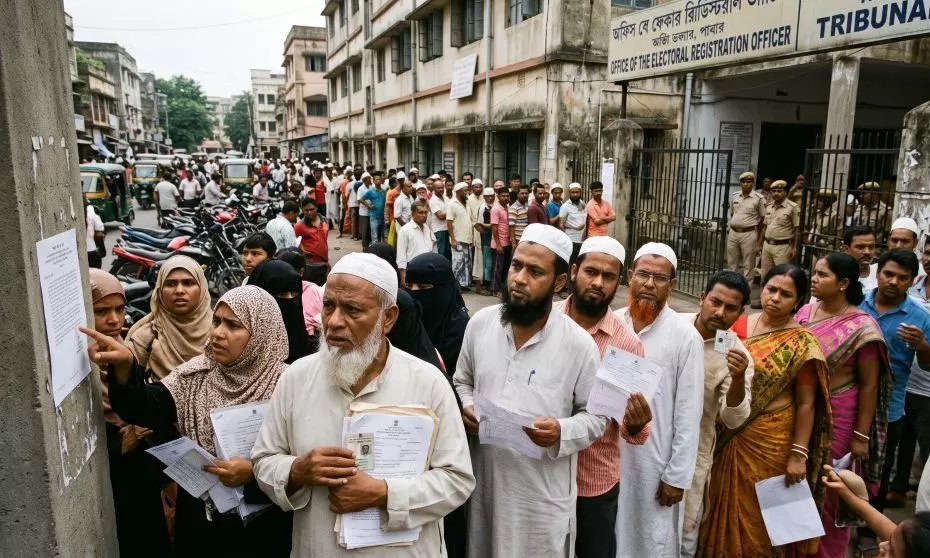

About 89.5 per cent of the 16,08,175 appeals seeking the removal of voters from West Bengal’s electoral rolls, despite their having been cleared as eligible by judicial officers during the Special Intensive Revision (SIR), were against voters with Muslim names, accounting for 14,39,797 people – in other words, nearly nine in every ten voters targeted were Muslims, The Wire has reported, citing records compiled by the Civic Research Group.
The findings point to a disproportionate concentration of deletion appeals against Muslim-named voters, not only in Muslim-majority border districts but also in Hindu-majority constituencies far from the international border.
An analysis of constituency-wise data shows that the disparity persists across different demographic groups; particularly in constituencies where Muslims account for around six per cent of the population, more than 60 per cent of the voters facing expulsion from the rolls are Muslims, roughly ten times their population share. Where minorities constitute about 15 per cent, the proportion rises to more than 80 per cent.
In 137 constituencies, at least 90 per cent of the voters challenged by the Election Commission of India (ECI) have Muslim names. Among the 160 constituencies where Muslims account for less than a fifth of the population, 69 have appeals in which at least 80 per cent of those targeted are Muslim-named voters.
The pattern is particularly striking in Purba Medinipur, where Muslims constitute roughly one-eighth of the population, yet more than 90 per cent of the voters facing appeals have Muslim names. In Egra, the figure stands at 94.9 per cent, while Chandipur, Kanthi Dakshin and Ramnagar record proportions between 93 and 95 per cent. Similar figures emerge from Sagar and Gosaba in the Sundarbans, where Muslims make up less than 12 per cent of the population.
In Muslim-majority Murshidabad, where Muslims account for approximately 60 per cent of residents, 98.2 per cent of the voters facing appeals have Muslim names.
Even where the pattern appears to break, Muslim-named voters remain disproportionately represented. In Jadavpur, where Muslims constitute about one per cent of the population, they account for 14.2 per cent of those facing appeals. In Nayagram, the corresponding figures are 17.1 per cent and 1.3 per cent, while Bidhannagar and Habibpur also record proportions around four times their Muslim population shares.
The analysis, however, distinguishes between the voters challenged by the ECI and those deleted by judicial officers. Of the 27,06,057 voters struck off by judicial officers, 22,17,619 subsequently appealed to tribunals, and 79.3 per cent of these appellants have Muslim names.
Separately, the SABAR Institute found that Muslims constituted 70.17 per cent of more than 27 lakh voters deleted from the 'under adjudication' list, while women accounted for 51 per cent.
Together, the two sets of records cover approximately 64 per cent of the 59,59,458 voters sent for judicial adjudication. At least 53.7 per cent of this combined group have Muslim names, even assuming that none of the remaining voters were Muslim.
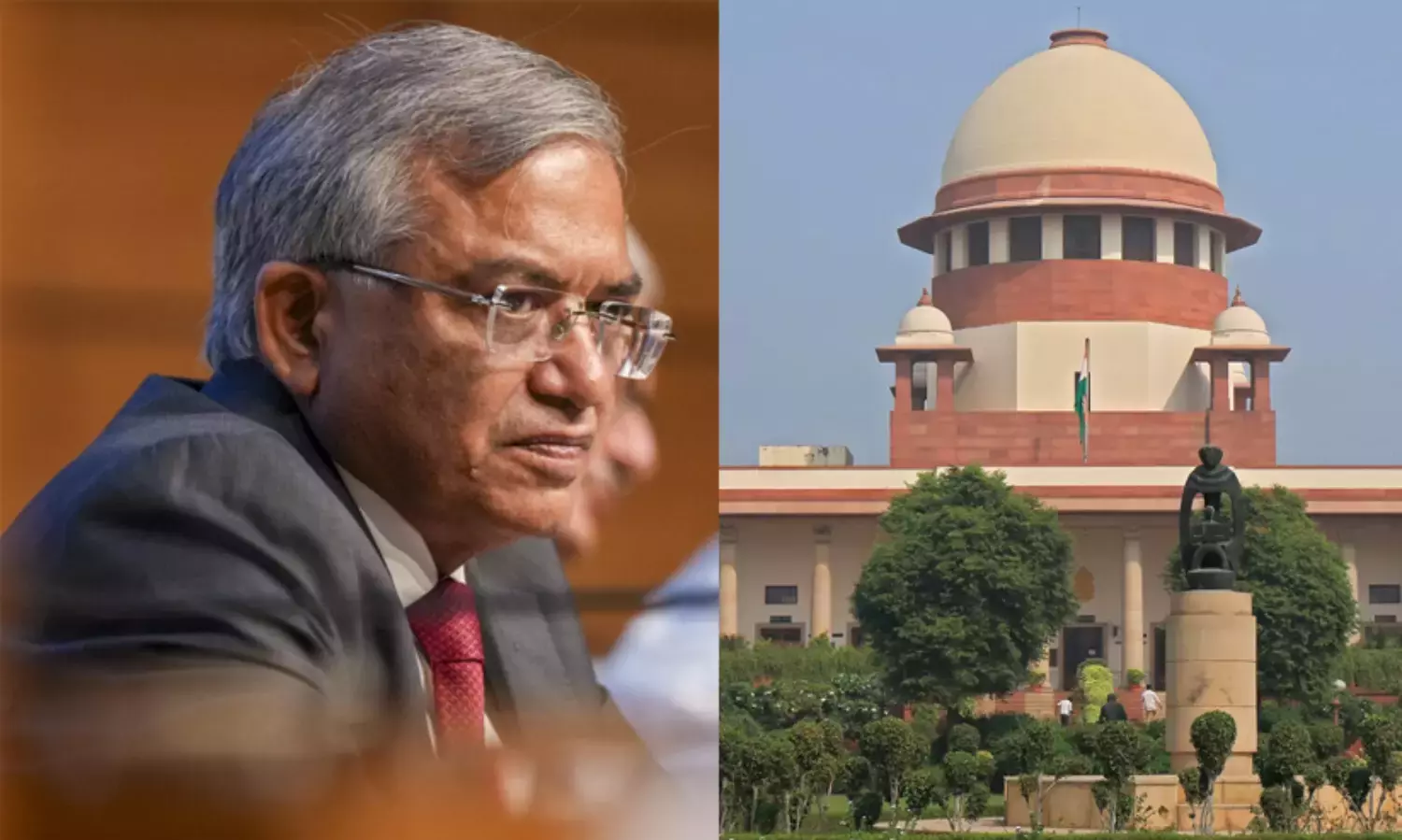
The ECI, in its counter-affidavit submitted to the Supreme Court on October 26, stated that appeals were filed by officers from the West Bengal Chief Electoral Officer's office in their capacity as authorities under the Representation of the People Act. It also acknowledged that the voters concerned possessed documents on the portal and had received favourable orders.