









US revokes over 6,000 international student visas for law violations
text_fields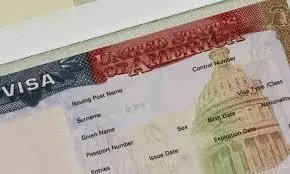

The US State Department has revoked more than 6,000 international student visas after determining they violated American laws.
The move comes just days before the new academic year begins, sparking concerns that thousands of students may not make it to campuses in time.
Officials said nearly 4,000 visas were canceled due to violations that included assault, burglary, and driving under the influence.
Another 200 to 300 were revoked under “terrorism done under INA 3B,” a legal code defining terrorist activity as acts endangering human life or violating US law, the State Department told the BBC.
The mass cancellations are part of President Donald Trump’s continued efforts to reshape higher education and immigration policy. Since returning to office this year, Trump has pursued measures that have significantly affected international students, often targeting top US universities.
In January, he signed an executive order pledging to deport non-citizen students who participated in pro-Palestinian protests, describing it as part of his fight against “antisemitism.” By June, the administration had paused scheduling new visa interviews for foreign students and introduced mandatory “social media vetting,” requiring consular officers to scrutinise applicants’ activity on platforms such as Instagram, TikTok, and X for potential security concerns.
The administration has also cut research funding for universities, detained students involved in campus protests, and clashed legally with Harvard University after blocking it from enrolling international students. Harvard accused the White House of unconstitutional retaliation for resisting political pressure.
International students remain a major force in US higher education, with over one million enrolled last year, contributing nearly $43.8 billion to the economy and making up about 6% of the student population, according to NAFSA.
The sudden cancellation of visas just before the new academic year has raised alarm among students, universities, and advocates, who fear significant disruption to academic programs and research projects.