














Iran signals openness to US diplomacy but rules out nuclear and missile curbs
text_fields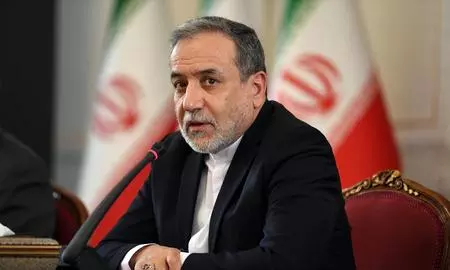

Cairo: Iranian Foreign Minister Seyed Abbas Araghchi has characterized the recent indirect talks with the United States in Oman as a positive beginning, expecting a new round of negotiations to commence shortly. However, the top diplomat tempered this optimism with a firm refusal to compromise on Tehran's uranium enrichment or missile capabilities, asserting that rebuilding trust between the two nations will take time.
In an interview with Al Jazeera following the talks, Araghchi underscored that Iran would not relinquish its uranium enrichment program, describing it as an "inalienable right." While expressing openness to an agreement that provides reassurances to the international community, he categorically rejected US demands to curb Iran’s missile program or transfer uranium stockpiles abroad. He termed the missile capabilities a strictly defensive matter that is "never negotiable," emphasizing that the nuclear dispute can only be resolved through dialogue.
Despite the indirect nature of the negotiations in Muscat, Araghchi confirmed that members of the Iranian and American delegations briefly shook hands. However, he disputed reports from the US side suggesting a direct exchange had occurred during the discussions. Following the session with US President Trump’s special envoy, Steve Witkoff, Araghchi traveled to Doha for further consultations with Qatari Prime Minister Sheikh Mohammed bin Abdulrahman bin Jassim Al-Thani.
US President Donald Trump offered a positive assessment of the meeting, stating that Iran appeared eager to reach a deal and confirming that talks would resume early next week. However, the diplomatic opening coincided with continued economic pressure, as Trump signed an executive order threatening punitive tariffs on countries that continue to trade with Iran. The order suggests levies of up to 25 percent on imports from nations that directly or indirectly purchase Iranian goods or services.
The diplomatic engagement comes amidst heightened military posturing. Iran's military chief of staff, Abdolrahim Mousavi, warned that while Tehran would not initiate war, any attempt to impose conflict would be met with a decisive response that could spread instability across the Middle East. Meanwhile, Israel is closely monitoring the situation, with Prime Minister Benjamin Netanyahu scheduled to visit Washington later this week to insist that any potential agreement includes strict limits on Iran’s ballistic missile program and its support for regional militant groups.
Regional powers have reacted with cautious optimism to the renewal of dialogue. Saudi Arabia, Egypt, and the United Arab Emirates welcomed the talks in Muscat as a constructive step toward de-escalation. Qatari officials expressed hope that the negotiations would eventually lead to a comprehensive agreement capable of strengthening stability and security in a region currently burdened by multiple crises.
(Inputs from IANS)