











Beauty salons in Afghanistan face closure as Taliban imposes restrictions on women
text_fields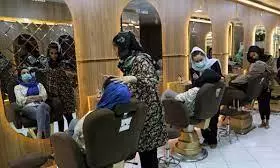

Kabul: As the deadline approaches, thousands of beauty parlours in Afghanistan are preparing to close permanently due to an order issued by the Taliban authorities. This order eliminates one of the few revenue streams available to women and takes away a cherished space for socialising.
In the past two decades, beauty parlours had become a safe space for women to gather and socialise away from men, while also providing crucial business opportunities for women in the workforce.
The Ministry for the Promotion of Virtue and Prevention of Vice had given the salons until Tuesday to shut down, citing extravagant spending on makeovers and deeming some treatments as un-Islamic. The ministry claimed that excessive makeup prevented women from performing proper ablutions for prayer and banned eyelash extensions and hair weaving, reported AFP.
The latest order, issued last month, forces the closure of thousands of salons nationwide that are run by women. These salons often serve as the only source of income for households. The ban on beauty parlours will have significant economic consequences, as around 60,000 women are expected to lose their income from work at approximately 12,000 salons across the country, according to the Afghanistan Women Chamber of Commerce and Industry.
Salons are also one of the few remaining opportunities for women to socialise away from home. Women are now grappling with the loss of spaces where they could discuss their future and enjoy themselves together. With women not allowed to enter entertainment places, they are left wondering where they can gather to meet each other and socialise.
In response to the order, women have protested against the closure of salons in Kabul. Security officials dispersed a recent protest by firing into the air and using fire hoses.
Since seizing power in August 2021, the Taliban government has imposed strict restrictions on girls and women, including barring them from high schools and universities, banning them from public places like parks, funfairs, and gyms, and enforcing a mandatory dress code.
The United Nations' special rapporteur for Afghanistan, Richard Bennett, reported last month that women and girls in the country face "grave, systematic, and institutionalised discrimination," ranking among the worst in the world. Concerns have also been raised about the possibility of gender apartheid under Taliban rule.