












AI revolutionises whisky analysis, predicts aromas and origins with accuracy
text_fields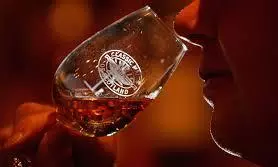

Artificial intelligence is reshaping the world of whisky tasting, offering remarkable precision in identifying aromas and origins.
A study by Germany's Fraunhofer Institute for Process Engineering and Packaging demonstrated that AI could analyze the molecular composition of whisky to accurately determine its key notes and geographical origin. This innovative approach promises greater consistency and precision in whisky analysis compared to traditional methods.
The research, published in Communications Chemistry, examined the chemical profiles of 16 whiskies from the United States and Scotland, including renowned brands like Jack Daniel’s, Maker’s Mark, Laphroaig, and Talisker. AI algorithms, trained using chemical data and sensory profiles from an 11-member expert panel, identified the five most prominent aroma notes and successfully differentiated between US and Scottish whiskies with over 90% accuracy.
Dr. Andreas Grasskamp, the study’s lead researcher, emphasized the AI’s consistent performance and its role as a complementary tool to human tasters. The analysis highlighted distinct compounds: menthol and citronellol in US whiskies, linked to caramel-like aromas, and methyl decanoate and heptanoic acid in Scottish whiskies, associated with smoky and medicinal scents.
Beyond whisky analysis, this technology holds potential for addressing challenges in other industries. For instance, AI could assist in detecting counterfeit products or managing odours in recycled plastics. Dr. William Peveler, a senior lecturer at the University of Glasgow, noted that AI could stabilise flavour consistency in whisky production, ensuring uniform quality across batches.
Despite its promise, the study faced limitations, including a small sample size and the dynamic nature of whisky flavours, which evolve during the aging process. Researchers acknowledge the need for further refinement to account for environmental and sensory variables that influence whisky perception.