














Will the verdict on Article 370 bring in peace?
text_fields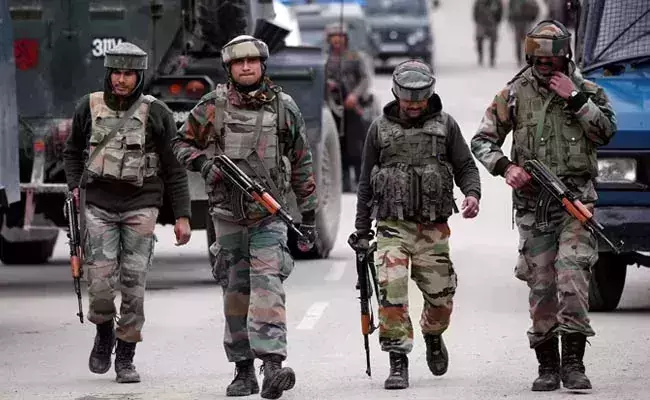

Obviously, a large section in the country has welcomed the Supreme Court's validation of Modi administration’s abrogation of Article 370 on August 5, 2019 and division of Jammu and Kashmir into three regions alongside bringing them under the central government. Over the past 75 years, the country engaged in three wars with neighouring Pakistan over Jammu and Kashmir. The loss of lives of tens of thousands of soldiers and civilians forms the historical residue of this region. Jammu and Kashmir whose beauty made nature lovers to call it the heaven on the earth never even for a day enjoyed peace. Nevertheless leaders of two countries met several times, held bilateral talks and signed agreements, the situation remained the same. Even in the first instance of confrontation between the neigbhours, the UN took up the issue and passed a resolution; however, the track record to this date suggest that both countries used every opportunity on the platform to blame each other.

Although the BJP’s first Prime Minister A.B. Vajpayee's talks with Pakistan state head showed optimistic signs of yielding a solution. But it was scuttled at the last minute. The terror attacks by separatists and militants along with iron-fisted actions of the Centre compounded the sufferings of ordinary citizens in the region. None of the political parties in power in the state could ensure a peaceful life. In the thick of this situation on August 5, 2019, the Modi administration revoked the special constitution status to the region and imposed central rule, imprisoning religious and political leaders and activists alongside banning media in the region. The outfits that are deemed unfavourable to the government have been banned and confiscated their properties. Social workers from outside the state were also barred. Eventually, a bench led by the Supreme Court judge handed its judgment after 16 days of argument over petitions submitted by political parties in Kashmir having left them in abeyance for four years.
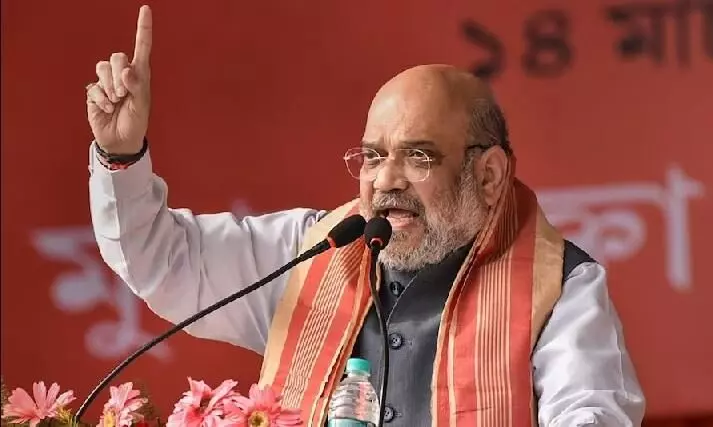
Will this resolve the Kashmir issue and restore peace to the northern frontier of the country? Every Indian today asks this question with hope and concern. A large section including Prime Minister Modi has expressed relief and pride in the court verdict. But another section unable to partake in the excitement expresses their disappointment and apprehensions. It is none other than real Kashmiris. Prominent political leader Ghulam Nabi Azad, PDP president and former chief minister Mahbooba Mufti, National Congress leader Umar Abdullah and CPM central committee member M.Y. Tarigami are among those who publicly disagreed with the verdict. Opposition from the banned Hurriyat group could naturally be expected. It is true the court has directed to hold polls in the region before September 2024. The central government itself did not deny it in the first place. The Kashmiri parties are upset over gerrymandering of constituencies to allow the BJP to gain majority in the upcoming polls by increasing number of seats and adding more SC and ST constituencies in the total seats. Redistricting of constituencies exposes the complete subservience of the Election Commission. Given this situation, the hope for restoring peace without the presence of military is beside the point. If at all the court order and subsequent actions satisfy Indians, the undeniable question is whether it will help convince internationally that the Kashmir issue has been solved. All the maps available outside the country still mark Kashmir as a disputed territory. The court verdict is not enough for the world to correct it and accept Kashmir as an integral part of India. . It will require more diplomatic steps to convince the United Nations. The assumption that use of force and pressure can help influence international opinion may not always be true.