










The verdict of discernment
text_fields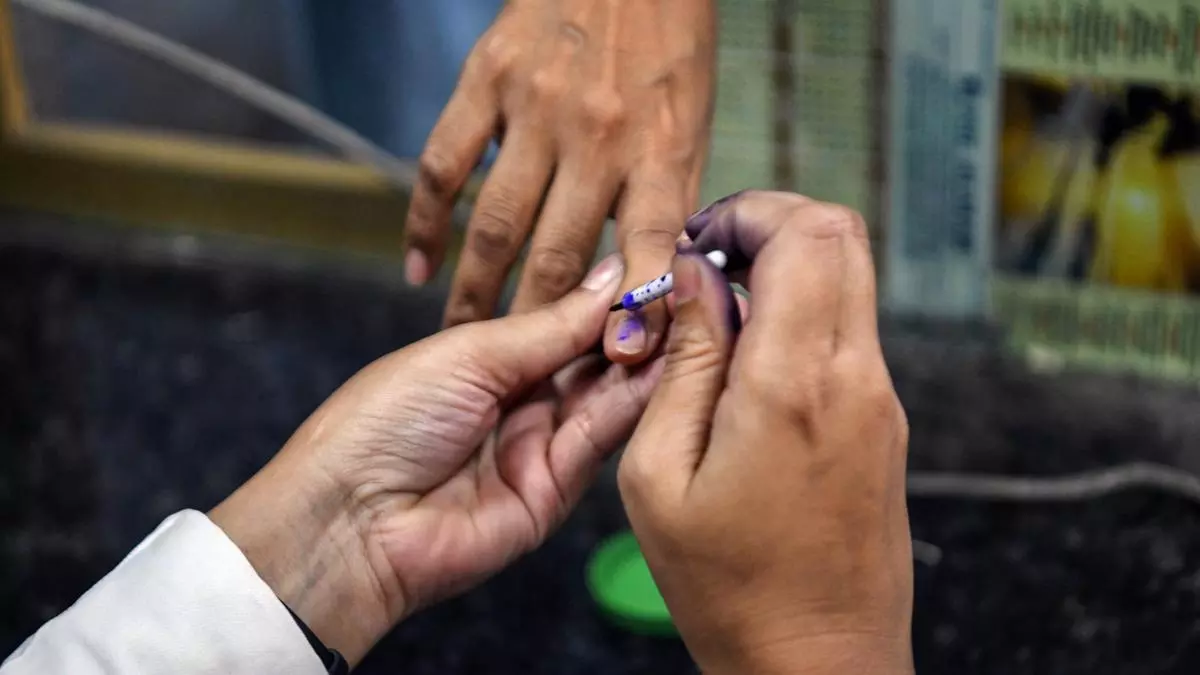

In the first phase of the Kerala local body election, 1,32,83,789 voters in the seven districts of Thiruvananthapuram, Kollam, Pathanamthitta, Alappuzha, Kottayam, Idukki and Ernakulam will cast their vote today, Tuesday. Elections will be held for 8310 wards in 471 grama panchayats, 1371 wards in 39 municipalities, 233 wards in three corporations, 1090 wards in 75 block panchayats, and 164 divisions in seven district panchayats. A total of 36,630 candidates are contesting in these constituencies. As per Kerala’s traditional pattern, the mandate is mainly being sought by the Left Front, United Democratic Front, and the National Democratic Alliance. The Aam Aadmi Party, PDP, Welfare Party, Twenty Twenty, SDPI, Anna DMK and Trinamool Congress are also contesting individually and through alliances. The second phase of polling will be held on December 11, with the results to be announced on the 13th.
Since this is a local body election being held months before the Assembly election, the campaign reflected a matching intensity and determination. Instead of discussions on the performance of local bodies and development issues, state-level political topics dominated the campaign narrative. What became evident was a political battle between the Left Front, which is trying to retain power in the state, and the opposition, determined to unseat them at any cost. However, none of this involved any real assessment of the efficiency of local bodies or where the panchayati raj system has taken literate Kerala. By easing central and state government controls and transferring more powers to local bodies, the aim was to ensure that ordinary citizens gained greater rights. In the beginning, efforts were made to move towards the goal of making development benefits accessible to every citizen. In the early years, the democratic practice of enabling bottom-level governance to be recognised and accepted by all had been realised. But making everything subservient to party interests has become an unfortunate norm in the state. Gradually, the panchayati raj system, which was meant to decentralise power, has turned into a system with clipped wings.
Ultimately, with the Bharatiya Janata Party’s new governance model of centralising everything in one place gaining acceptance among most sections, the rights of the three-tier panchayats were stripped away and their powers seized. Instead of funds flowing downward, resources began to be diverted upward. The situation reached a point where even the assets and funds of panchayats had to be used to cover the state government’s extraordinary expenses. The opposition alleges — citing figures — that with the state government withholding funds, local development and planning have been derailed. Of the ₹8452 crore allocated to local bodies in the 2025–26 annual plan, only ₹2500 crore is said to have been released. Not only has it become impossible to address day-to-day issues such as poverty eradication, healthcare, housing, drinking water, waste management, stray dog menace, and wild animal intrusion, these issues are even worsening with each passing day. The 200 to 300 percent hike in building permit fees and water charges is only a small example. In short, what is visible in practice is that the systems intended to make local governance directly accessible to the people are being dismantled, and power is slowly returning to centralisation.
Instead of considering ways to restore the powers and rights of the three-tier panchayats, this year’s campaign focused on tying it to disputes of party politics. People would naturally expect the leaders of the Left Front government - which is completing its second term and hopes for a third - to claim that governance benefits have actually reached the common citizen. However, perhaps due to a lack of confidence in this, what the ruling coalition leadership displayed was a propensity for polarising voters against the opposition and communal rivals. As if to capitalise on the prevailing environment of demonising Muslims promoted by the Sangh Parivar nationwide, the Left front's campaign mostly tried to attack Muslim organisations and their political stance. It is pitiable that it was the Chief Minister and the party secretary who spearheaded that onslaught. But those campaign tactics, which mocked at the common sense of the people, often backfired. It is not the aggressive posturing of the leaders or their political hostility, but local development and governance achievements that ordinary voters actually consider. It is based on this awareness that they exercise their valuable franchise.