

















Study shows worse health outcomes likely among severe COVID-19-affected patients
text_fields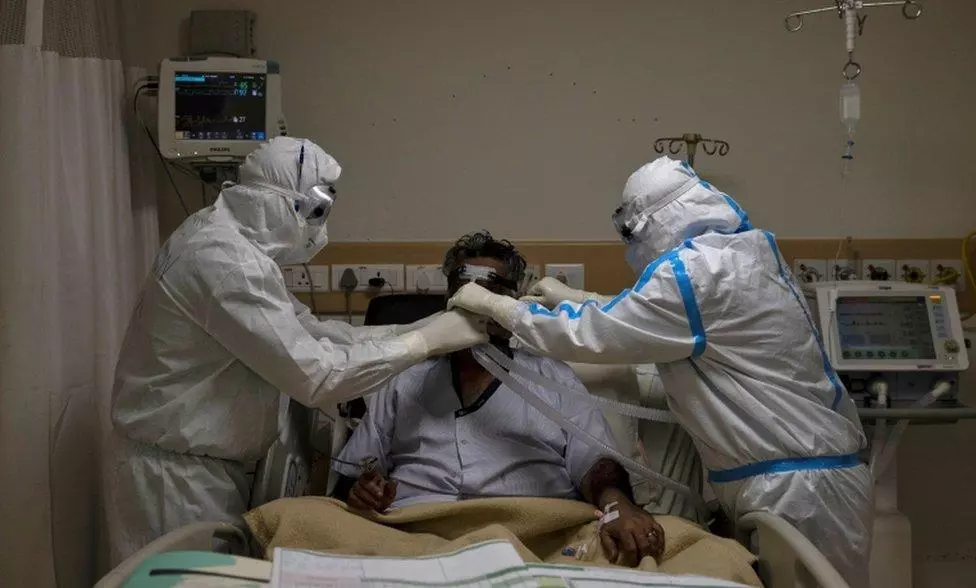

New York: A study that may prompt new Covid-19 treatment strategies has come up with a finding that people with severe COVID-19 and also had secondary infections in the bloodstream were sicker, had to be hospitalised for a longer period, and had worse health outcomes.
Published in the journal Clinical Infectious Diseases, the research is the first to assess the microbiology, risk factors, and outcomes in hospitalised patients with severe COVID-19 and secondary bloodstream infections.
In the study, researchers from Rutgers University in the US assessed 375 patients diagnosed with severe COVID-19 from March to May 2020.
They sampled 128 cases from the group that had secondary bloodstream infections -- 92 percent of which were bacterial infections.
"These patients were more likely to have altered mental status, lower percent oxygen saturation, septic shock and to be admitted to the intensive care unit compared to those without bloodstream infections," said study co-lead author Pinki Bhatt from Rutgers University.
According to the scientists, patients who needed more advanced types of supplemental oxygen upon hospital admission had higher odds of secondary bloodstream infections.
The researchers said the in-hospital mortality rate for these patients was more than 50 per cent, but added that these deaths were associated with -- not caused by -- the condition.
They believe these infections in COVID-19 patients may have contributed to the severity of illness, or it may reflect other underlying physiological and immunological complications of COVID-19.
According to the study, 80 per cent of all the patients in the study received antimicrobials at some point during hospitalisation, including those who did not have bloodstream infections.
"This likely reflects clinicians' inclination to administer antimicrobials given the limited information on the natural course of this novel disease," Bhatt said.
However, she added that further studies are needed to understand when to suspect and treat secondary bloodstream infections in severe COVID-19.
(PTI feed with minor edits)