


















Questions about Covid TPR as basis for curb decisions; test mostly in Covid-prone cases
text_fields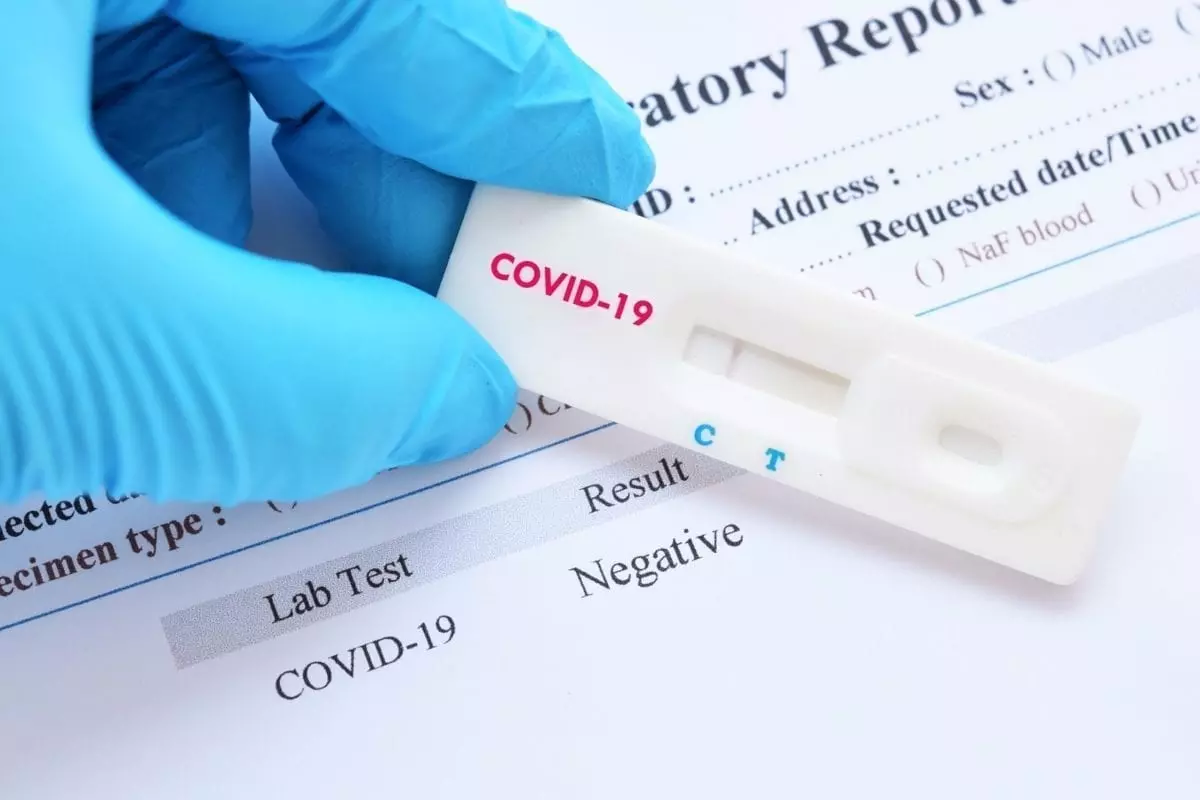

Thiruvananthapuram: Amid Covid-related lockdown being enforced in local body regions based on the Test Positive Rate (TPR), a concern has started being aired whether the currently followed TPR is truly representative of the prevalence of the disease across the population. More significantly, it is being asked whether consecutive days' TPR will reflect the fall in the incidence of the disease in the population as a whole.
TPR is based on tests and results on samples collected in a 24-hour cycle. For example, if samples are taken from 100 people, and 20 people test positive in 24 hours, the TPR is recorded as 20. But in practice, if samples are collected more, or only from those who have either shown symptoms or been in contact with the already infected, naturally TPR will show an uptick.
This is applicable at the micro-level but also has a macro dimension, for in most of the local bodies, camps for RTPCR-Antigen tests are conducted in areas where disease spread is higher. As some experts point out, this can be treated only as 'incidence rate' rather than TPR.
Although the formula of arriving at the TPR is right in theory, in practice there is a flaw in the model of collecting samples. And this becomes more consequential when government decisions about curbs implemented in public movements and opening of commercial establishments are taken based on such TPR.
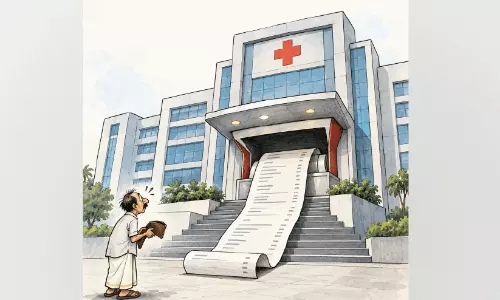
For example controls under categories A,B,C & D of local bodies, are graded based on the TPR of that geographical unit. And once the classification of say D is applied, economic activity comes to a halt or is curtailed, thereby hitting the livelihoods of ordinary people unable to earn their daily bread.
As for extent and number of tests, although at the beginning of the second wave, testing had been conducted intensively, subsequently that came down. Currently, about one lakh tests are conducted but they are more focused on those with a disease background.
In addition to this prevention-focused test drive, those going for foreign travel, surgery or examinations also undergo test, but this segment is marginal in the total number. The school that questions the current practice, especially the part that makes it the basis for curb-classification decisions, argues that along with such segments, those of the general public also have to be brought into the net to a larger extent, in order to arrive at a truly representative and dependable TPR. Or else, TPR will hold steady as it has been doing over the past few days with attendant economic consequences.