















UAPA harmful to India, SC should strike it down: Retired Justice Nariman
text_fields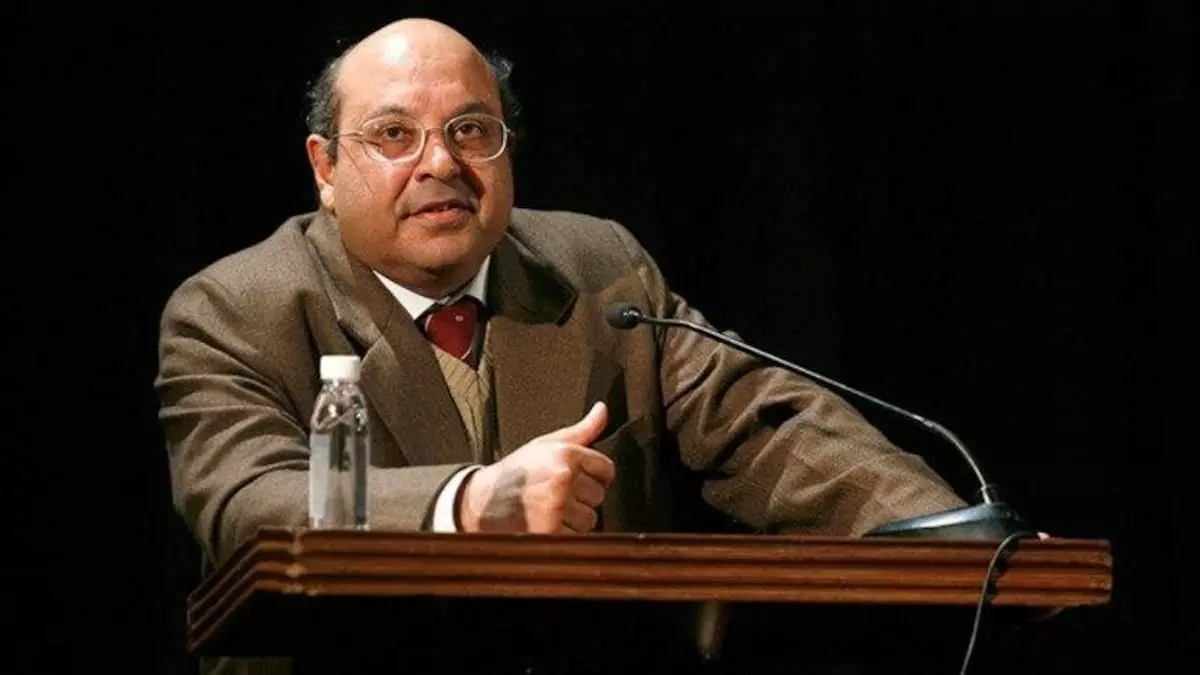

New Delhi: The Supreme Court (SC) should strike down the sedition law in India, retired SC Justice Rohinton Fali Nariman said on Sunday. He added that the colonial decree, along with those like the strict anti-terror law, UAPA, was harmful to the country, NDTV reported. Nariman was addressing a function organised by Viswanath Pasayat Memorial Committee.
Nariman said that he would urge the top court to not send sedition law cases pending before it back to the Union Government. Governments will come and go, but it is crucial for the court to use its power and strike down Section 124A and the offensive part of the Unlawful Activities (Prevention) Act (UAPA) so that citizens would breathe more freely.
He further said that India's rank in the Global Law Index is 142 due to the existence of draconian and colonial laws. The UAPA and sedition laws have a chilling effect on journalists, he said. In addition, he spoke about the history of sedition law in the UK and India.
The problematic UAPA was introduced after the wars against Pakistan and China, Nariman said. The law is draconian as it grants no anticipatory bail and would award a minimum of five years of imprisonment. He added that the act is not under scanner yet and need to be looked into along with sedition law.
In July, while considering a set of petitions against the sedition law, the SC had questioned its necessity after 75 years of Independence. It said that the law is a severe threat to institutions, hold enormous power capable of misuse without accountability. The court had compared it to a saw in the hands of an overzealous carpenter.