















No budget allocation for Chabahar as India weighs geopolitical risks, says Nirmala Sitharaman
text_fields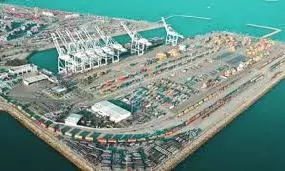

Union Finance Minister Nirmala Sitharaman on Wednesday acknowledged the strategic importance of Iran’s Chabahar Port but declined to comment further on the absence of budgetary allocation for the project in the 2026 Union Budget, citing its sensitive geopolitical context.
She was asked about the future of the port, a key connectivity project where India has invested over several years. “There has not been any allocation. I understand the importance of Chabahar. The north-south route was also linked to that. At the moment, this is all I can say,” she said.
She added that the issue involved serious geopolitical considerations and said, “You will understand if I can’t say anything beyond this.”
The remarks come amid two major developments related to the project.
The United States sanctions waiver that allows India to operate at Chabahar is set to expire soon, even as New Delhi is engaged in ongoing discussions with Washington to safeguard what it views as a critical strategic asset. At the same time, the absence of any budgetary provision for Chabahar has raised questions about the project’s immediate future, particularly against the backdrop of rising tensions between the US and Iran.
For several years, India had earmarked an annual outlay of Rs 100 crore for the port, located in Iran’s Sistan Balochistan province.
Chabahar, Iran’s first deepwater port, sits at the mouth of the Gulf of Oman and provides India a trade route to Afghanistan and Central Asia that bypasses Pakistan, which has denied overland access.
The port also serves as India’s counter to Pakistan’s Gwadar port, developed by China under the Belt and Road Initiative.
For Iran, Chabahar has been positioned as a way to reduce the impact of Western sanctions by opening alternative trade routes.