









Nearly 1 crore voters dropped from Karnataka’s electoral roll after SIR
text_fields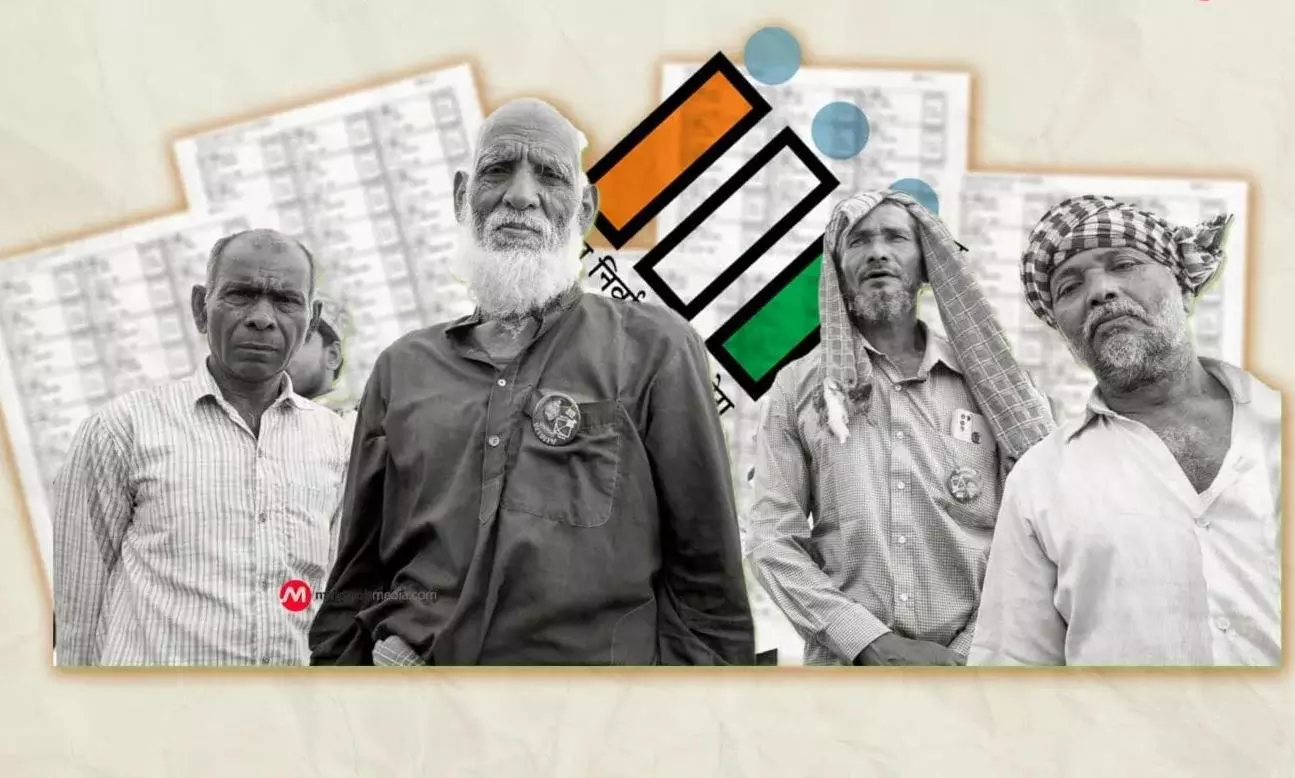

Amid massive discrepancies during the Special Intensive Revision (SIR) process, including allegations of large-scale filing of Form 7 applications seeking the removal of voters, particularly from the Muslim community, Karnataka’s final electoral roll has recorded nearly one crore fewer voters, with the electorate falling from 5.54 crore to 4.55 crore, according to the Chief Electoral Officer (CEO).
The revision, launched by the Election Commission of India (ECI) to identify ineligible voters and ensure a “pure, clean electorate”, had resulted in the deletion of more than 1.07 crore names at the draft stage, when the electorate stood at 4.46 crore. Although the final roll added a net 8.64 lakh voters, the increase was insufficient to offset the deletions.
The final list comprises more than 2.25 crore male voters, 2.29 crore female voters and 2,841 third-gender voters, while over 6.83 lakh electors are aged between 18 and 19 and more than 3.92 lakh are above 85.
Among the deletions at the draft stage, 16.39 lakh names were classified as deceased, over seven lakh as duplicate entries and 3.83 lakh under the “Others” category, which the CEO’s office has not adequately explained beyond stating that it includes people who refused to sign.
The largest category comprised 80.62 lakh voters who had shifted residence or could not be found at their registered addresses, although their absence did not necessarily render them ineligible to vote. They were required to submit Form 6 applications to restore their names, yet only 7,87,534 inclusion applications were received, including those from first-time voters.
Separately, at least 61,059 Form 7 applications seeking deletion were reportedly filed by electoral officials without specifying reasons, despite the requirement under the Registration of Electors Rules, 1960, that objections state the grounds for removal.
Electoral Registration Officers and Assistant Electoral Registration Officers said the applications had been generated automatically with their digital signatures when voters could not be reached during hearings concerning “no mapping” or “logical discrepancies”, after which the voters were marked ineligible.
The process has raised concerns about procedural safeguards, particularly when officials involved in determining eligibility also initiate deletion proceedings.
Opposition parties, civil rights groups and election experts have warned that the exercise could disenfranchise genuine voters, especially migrants and economically vulnerable communities, while critics have called it a “backdoor NRC”. The CEO’s office has announced a post-revision enrolment drive, and applications submitted after the September 23 deadline will be considered for quarterly supplementary lists.