














Madhya Pradesh faces major wheat spoilage crisis, 2,600 tonnes unfit for consumption
text_fields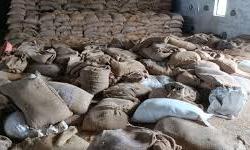

Madhya Pradesh is grappling with a severe crisis as approximately 2,600 tonnes of wheat stored in government warehouses have rotted, becoming infested with insects, and rendering it unfit for consumption.
This spoilage, discovered during a recent inspection, has raised significant concerns about food storage practices and the potential impact on food security in the state.
The Food Corporation of India (FCI) flagged the issue after refusing to accept the deteriorated wheat, which had been procured between 2018 and 2021 from Jabalpur and stored in Ashoknagar. The FCI deemed the wheat of such poor quality that it was compared to livestock feed. In response, the ruling BJP has ordered an investigation into the matter.
This incident has sparked fears that the spoiled wheat might have been intended for distribution through the public ration system, potentially endangering the health of vulnerable populations.
The situation echoes a similar crisis during the COVID-19 lockdown four years ago.
At that time, Madhya Pradesh Chief Minister Shivraj Singh Chouhan claimed that action had been taken to address the quality of grain distributed in the Balaghat and Mandla tribal regions. He also ordered an investigation by the state's Economic Offences Wing. Despite these efforts, the recent findings suggest that little has changed.
The current inspection revealed that 2,600 tonnes of wheat had arrived three months ago but had already deteriorated significantly. The FCI reported that out of 10.64 lakh tonnes of wheat, 6.38 lakh tonnes might be salvageable, albeit with a significant compromise in quality, while the remaining wheat has been completely written off.
The issue is not isolated to a few warehouses or specific areas; spoiled wheat has been found across various storage facilities throughout the state. This widespread spoilage is particularly alarming given that 5.37 crore families in Madhya Pradesh depend on free food grains under the National Food Security Act. The distribution of unfit wheat to these families could have devastating consequences.
Food and Civil Supplies Minister Govind Singh Rajput has acknowledged the severity of the situation and stated that complaints have been received. He has written to the Principal Secretary, demanding a strict and immediate investigation to identify those responsible, promising that they will face severe consequences.
This crisis comes in the wake of a similar incident last year in Satna, where six individuals, including the branch manager of a storage company, were charged with mixing sand, concrete, and soil dust in government-procured wheat. Of the seven lakh quintals of wheat stored at the facility, three lakh had already been distributed to the poor.