


















Apprehension not ground to justify arrest: HC declares Goa PFI councillor’s arrest unlawful
text_fields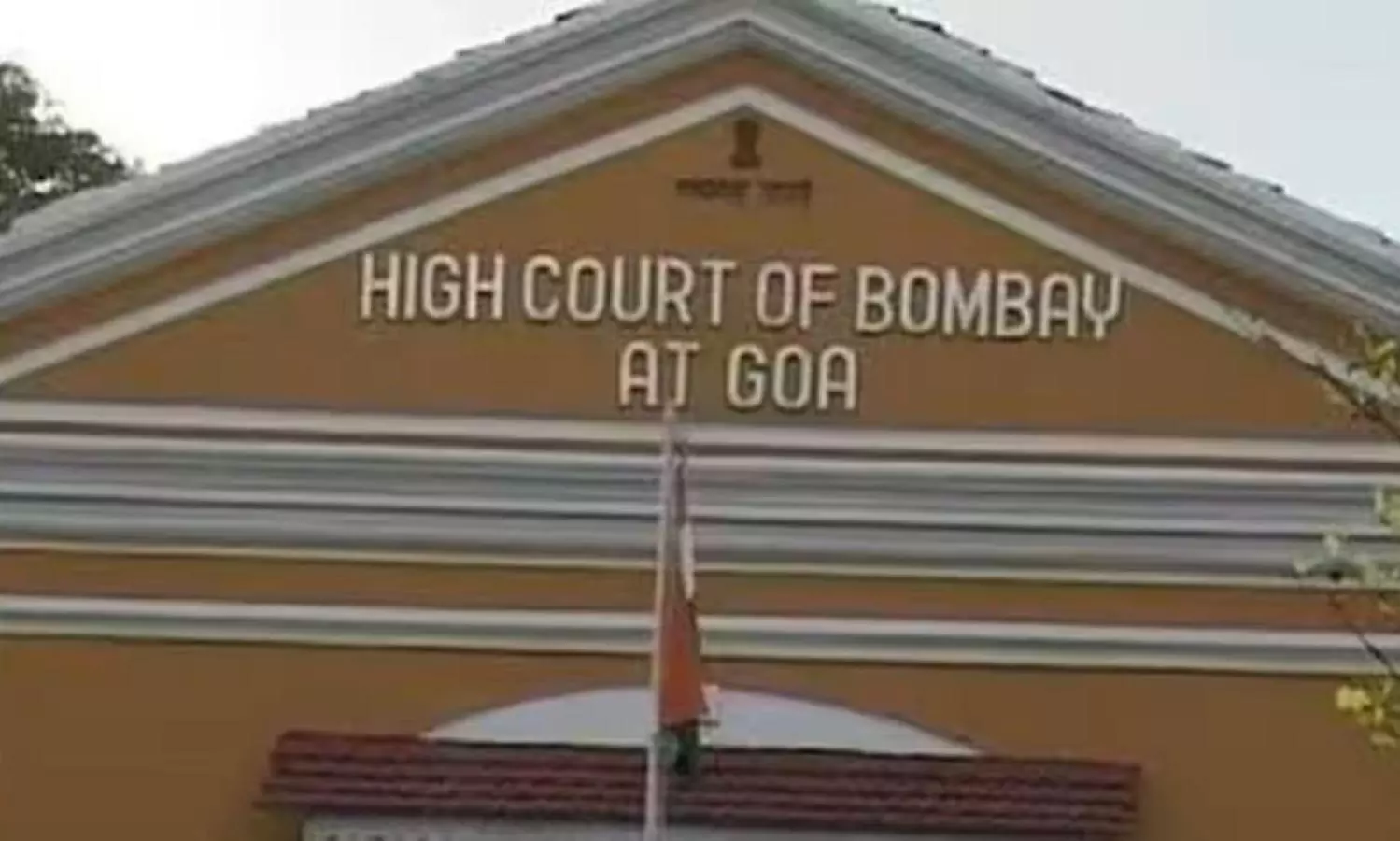

The Bombay High Court at Goa has ruled that a mere apprehension that a person may indulge in illegal activities in the future is insufficient ground to justify an arrest under section 151 of the Code of Criminal Procedure (CrPC), and it declared unlawful the arrest of a municipal councillor who had been taken into custody by the Goa Police for allegedly being a member of the Popular Front of India (PFI).
The case arose after Sarfaraz Sayyad, an elected councillor from Valpoi Municipal Council, was arrested on 29 September 2022 along with three others under section 151 of the CrPC, which empowers the police to act in situations where a cognisable offence is anticipated, and the police justified the arrest on the ground that he was associated with the PFI, which had been banned two days earlier by the Union government under the Unlawful Activities (Prevention) Act (UAPA) The India Express reported.
The magistrate had ordered their release on a personal bond of one lakh rupees each along with a surety of equal value residing within the local limits of Valpoi police station, but Sayyad subsequently challenged the order before the High Court.
A division bench comprising Justices Bharati Dangre and Nivedita P. Mehta, while examining the matter, observed that the police had failed to place any specific material before the magistrate apart from noting that the PFI had been declared an unlawful association and that its members were suspected to be likely to indulge in activities that might disturb peace in the locality.
The bench concluded that no concrete evidence had been presented to demonstrate either the councillor’s active involvement with the banned organisation or any past conduct that could justify an apprehension of illegal activity, and therefore, the basis of the arrest under preventive provisions could not stand scrutiny.
The court further emphasised that powers conferred on the police under section 151 must be exercised with accountability and responsibility, and it held that in this case the arrest lacked substantive justification as there was an absence of incriminating material to connect the petitioner with any unlawful activity of the association. The bench noted that an elected representative enjoys a position in society and that wrongful arrests without sufficient cause can lead to irreparable damage to an individual’s reputation, which forms an integral part of the right to life and liberty guaranteed under Article 21 of the Constitution.
In light of these findings, the High Court declared the arrest unlawful and recognised the petitioner’s right to contend that his reputation had been tarnished due to the police action, and it granted him liberty to seek compensation before an appropriate forum.