















Centre empowers District Collectors in border states to directly grant citizenship under CAA rules
text_fields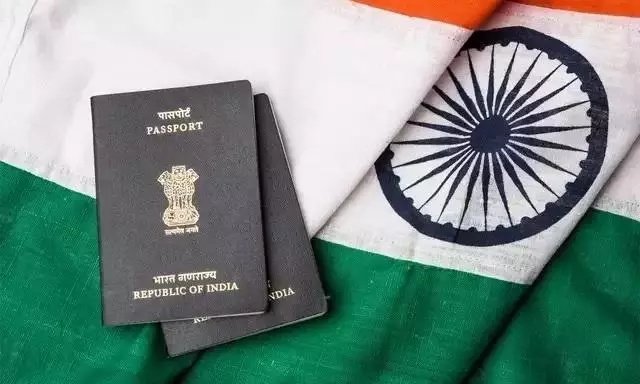

New Delhi: In a major move to streamline the grant of Indian citizenship to non-Muslim refugees from neighboring countries, the Ministry of Home Affairs has amended the Citizenship Rules, 2009, decentralizing powers and directly authorizing District Collectors in key border states and Union Territories to process and grant citizenship applications.
Under the newly notified Citizenship (Third Amendment) Rules, 2026, District Collectors in Punjab, Rajasthan, Gujarat, West Bengal, Assam, Tripura, Jammu & Kashmir, and Ladakh can now directly receive, scrutinize, and dispose of citizenship requests under Section 6B of the Citizenship Act, 1955. The new mechanism covers persecuted Hindu, Sikh, Jain, Buddhist, Parsi, and Christian minorities originating from Pakistan, Afghanistan, and Bangladesh, excluding only the tribal areas of Assam and Tripura.
The amendment introduces sub-rule (6) to Rule 11A of the principal rules, drastically reducing bureaucratic delays by bypassing the multi-tiered committee structure previously required. To ensure a seamless transition, the Home Ministry directed that all pending applications under Section 6B currently sitting before existing Empowered Committees and District-Level Committees in these specified regions be transferred immediately to the respective jurisdictional Collectors.
Under the simplified digital process, applicants will submit their requests electronically to the local District Collector, who will verify credentials, conduct background inquiries, and administer the mandatory Oath of Allegiance. If the Collector is satisfied with the applicant’s suitability, they hold the full authority to grant Indian citizenship. Conversely, applications face direct rejection if an applicant fails to appear in person to take the oath after reasonable opportunities are provided.
The notification, issued under Section 18 of the Citizenship Act, 1955, brings formal amendments to Rules 14, 15, and 38, alongside statutory application forms IIA through VIIIA and Schedule IC, to formally establish the District Collector as a primary granting authority in border regions.