










7 years in jail for speaking truth, while rapists and lynchers walk free: Shweta Bhatt
text_fields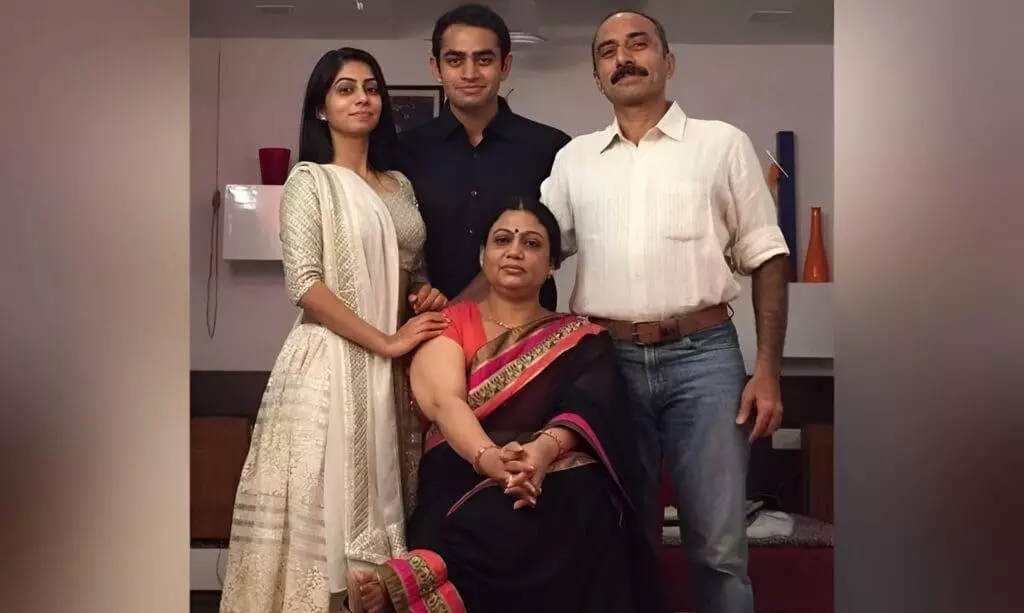

Friday marked seven years since former IPS officer Sanjiv Bhatt was imprisoned in a custodial death case, and his wife, Shweta Sanjiv Bhatt, in excerpts from her X post, said that he has been “wrongfully incarcerated for having the courage to speak truth to power.”
She wrote, “As I sit to pen down this post, I pause to wonder when we, as a nation, lost sight of what truly matters … when did appeasing the fragile ego of a megalomaniac fascist take precedence over safeguarding the very soul of our country?”
Her statement came months after the Supreme Court dismissed Bhatt’s plea seeking bail and suspension of his life sentence in the 1990 custodial death case, which dates back to when he was Additional Superintendent of Police in Jamnagar. At that time, Bhatt detained around 133 people under the Terrorist and Disruptive Activities (Prevention) Act during communal riots in Jamjodhpur, and one of the detainees, Prabhudas Vaishnani, died in hospital shortly after his release.
Following his death, Vaishnani’s brother lodged a complaint of custodial death against Bhatt and six other policemen, and although the Criminal Investigation Department initially filed an A-summary report after the state government refused sanction to prosecute, the court rejected it in December 1995 and took cognisance of the charges.
Referring to her husband’s prolonged imprisonment, Shweta Bhatt wrote, “Seven years stolen from a man whose only ‘crime’ was to speak truth to power … seven years in which rapists, murderers, and lynchers walk free, while a man of conscience languishes in jail — his courage the only crime that keeps him there.”
She added that “brilliant minds, honest souls, and courageous hearts languish in prison … they are mocked, humiliated, and silenced by a judiciary that was meant to protect them, meant to deliver justice, not serve as a handmaiden to power.”
Bhatt’s legal troubles intensified after he deposed before the Nanavati and Mehta Commissions in 2011 on the 2002 Gujarat pogrom, during which he alleged that Narendra Modi, then Chief Minister, was complicit in the violence, and his protection by the Gujarat government was subsequently withdrawn, leading to the framing of charges against him.
Since his conviction, he has repeatedly sought bail, but courts have declined his appeals, prolonging his incarceration.
Shweta Bhatt urged citizens to resist silence in the face of injustice, writing, “This regime survives on fear. It thrives on cowardice, greed, and silence. But must we remain silent? Must we allow them to believe that we, the people of India, are cowards, spectators, shadows without voices? The time has come to raise our voice … the time has come to reclaim the nation’s conscience.”