














Musicians use Grammy stage to protest ICE crackdown
text_fields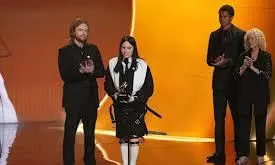

Several artists used their acceptance speeches at this year’s Grammy Awards to condemn the United States government’s recent crackdown on immigrants, turning the ceremony into a platform for political protest.
Musicians, including Bad Bunny and Billie Eilish, wore badges reading “ICE OUT”.
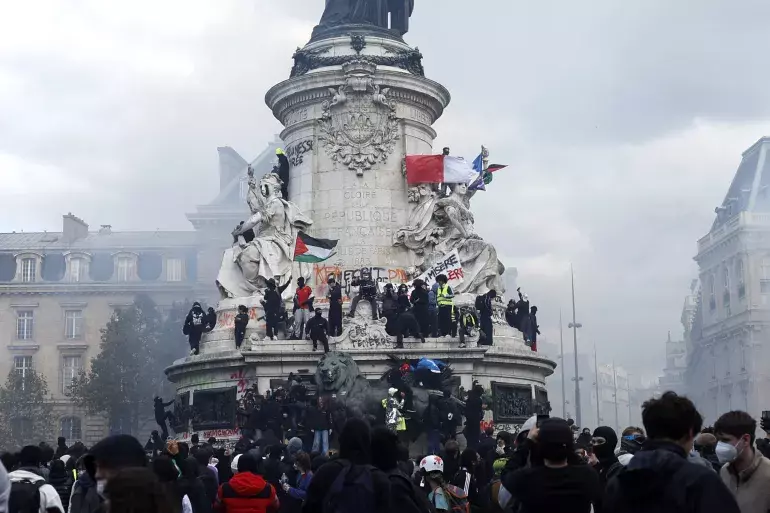
They spoke out against Immigration and Customs Enforcement (ICE) raids that have sparked widespread protests across multiple US cities. The operations have drawn intense criticism following reports of deaths during street protests and in detention, as well as the arrest of five-year-old Liam Conejo Ramos and his father.
Puerto Rican superstar Bad Bunny, accepting a Grammy for his album Debí Tirar Más Fotos, delivered one of the night’s strongest statements. “ICE out,” he said. “We’re not savages, we’re not animals, we’re not aliens; we are humans, and we are Americans.”
Bad Bunny’s remarks come ahead of his upcoming Super Bowl halftime performance, which has reportedly drawn attention from federal authorities. Homeland Security Secretary Kristi Noem has warned that ICE agents would be heavily present at the February 8 event, stating that only “law-abiding Americans who love this country” should attend.
Billie Eilish, who won an award for her song Wildflower, also used her moment on stage to voice her opposition. “F*ICE,” she said. “No one is illegal on stolen land.”
Other artists echoed similar sentiments offstage.
Damian Kulash, lead singer of OK Go, said that celebrating at such a moment felt irresponsible. “Our own government has raised an army of masked, anonymous men to attack its own people,” he said.
Justin Vernon of Bon Iver, nominated for Best Alternative Music Album, said he wore a whistle to honour legal observers documenting federal agents’ actions during protests.
Jess Morales Rocketto, executive director of Latino advocacy group Maremoto, said that the artists’ statements went beyond symbolic gestures. “This is more than a red-carpet moment,” she said, noting that musicians often face pressure from record labels, managers, and corporate sponsors to avoid political speech.