




















South Korea takes steps to outlaw centuries-old dog meat consumption practice
text_fields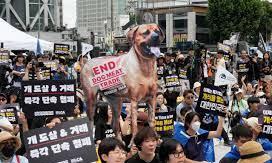

Seoul: South Korea is on the brink of a significant societal shift as it moves toward prohibiting the consumption of dog meat, marking a departure from a centuries-old tradition that has faced mounting criticism both domestically and internationally.
The country's ruling People Power Party has revealed intentions to introduce a ban on the consumption of dog meat by the year's end.
This decision arrives amidst amplified disapproval of the practice, especially among younger generations within South Korea, and has drawn considerable censure from global animal rights organisations.
The proposed ban is set to include a three-year grace period, offering financial aid to businesses transitioning away from the dog meat trade. This strategic move mirrors the evolving perspective on animal welfare within Korean society and echoes the escalating global movement opposing the consumption of dog meat, reported Reuters.
While dog meat consumption has been a longstanding cultural practice in Korea, it has encountered growing dissent, particularly among the youth, prompting calls for its prohibition.
Yu Eui-dong, the policy chief of the ruling People Power Party, emphasised the necessity to quell social tensions and controversies surrounding dog meat consumption. "It is time to put an end to social conflicts and controversies around dog meat consumption through the enactment of a special act to end it," Yu declared during discussions with government officials and animal rights activists.
President Yoon Suk Yeol and First Lady Kim Keon Hee have emerged as prominent critics of dog meat consumption, publicly expressing their stance against it by adopting stray dogs.
Prior attempts to pass anti-dog meat legislation faced obstacles due to protests from stakeholders within the industry, concerned about the impact on their livelihoods. The tradition of consuming dog meat has historical roots and has been regarded as a means to combat the summer heat. However, its prevalence has notably declined in South Korea, with fewer individuals partaking in this practice, mainly limited to older generations and specific dining establishments.
The prospect of a ban has been met with enthusiasm from animal rights groups, with Humane Society International stating, "A dream come true for all of us who have campaigned so hard to end this cruelty."
Official government data indicates approximately 1,150 dog breeding farms, 34 slaughterhouses, 219 distribution companies, and an estimated 1,600 restaurants serving dog meat across the country.
A Gallup Korea poll from the previous year revealed that 64% of respondents opposed dog meat consumption, signifying a notable shift in societal attitudes. The survey also highlighted a decline in the number of individuals consuming dog meat, with only 8% admitting to having eaten it in the past year, down from 27% in 2015.